Abū Muhammad Walīd
May 8, 2020
9 mins read
An authoritative exposition by Shaykh ʿAbdullāh ibn Ḥumayd outlining the unique status, virtues, and centrality of the Ṣalāh within Islām, supported by Qurʾānic evidence and Prophetic guidance.
Shaykh ʿAbdullāh ibn Ḥumayd (d. 1402 AH / 1982 CE)
The Ṣalāh (prayer) possesses merits and distinctive characteristics which no other aspect of Islamic legislation shares.
Firstly: Zakāh is not obligatory except once a year, and only upon those who possess wealth above the prescribed threshold. Likewise, fasting is not obligatory except once a year, and only upon those who are physically able to observe it. Ḥajj is not obligatory except once in a lifetime, and only upon those who are able and have the means to undertake it. As for the Ṣalāh, it is obligatory five times each day. It is binding upon the sick, the traveller, and the resident alike, which clearly demonstrates its immense importance.
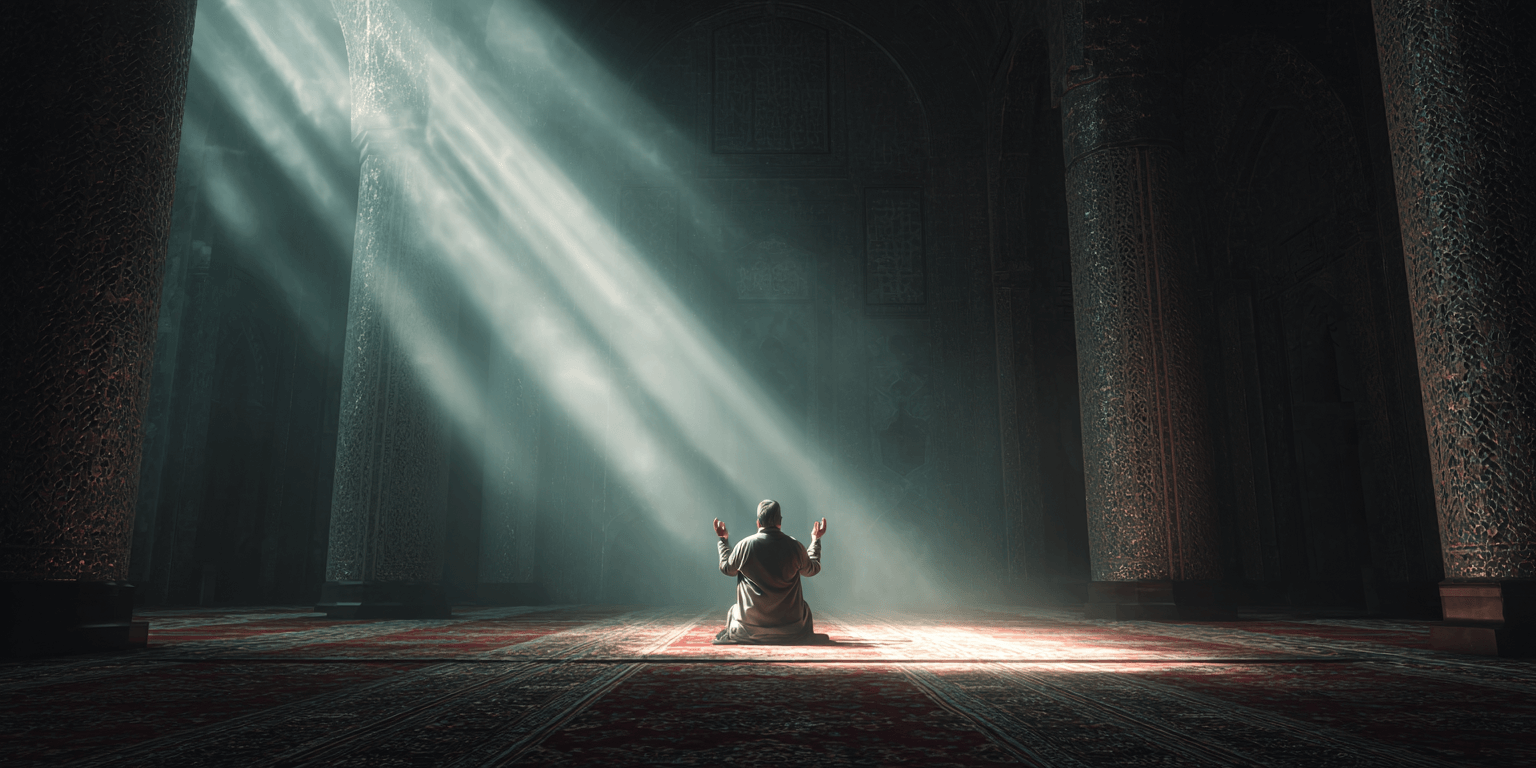
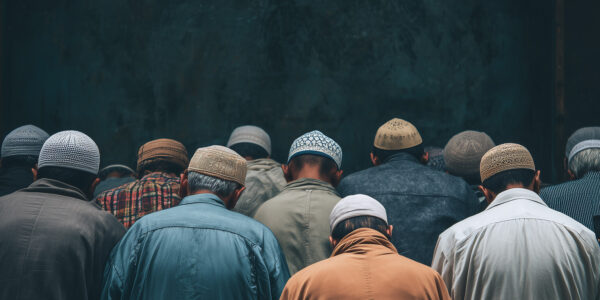
Secondly: The Ṣalāh is performed in congregation. Muslims perform it in organised rows behind a single leader. No other act of worship in Islām is carried out in this manner. Rather, all other acts of worship are performed individually, such that one person’s worship is not connected to that of another. One performs Ḥajj individually, fasts individually, and pays Zakāh individually. In contrast, the Ṣalāh brings Muslims together in one place, standing shoulder to shoulder in straight rows behind the Imām. This arrangement itself indicates its great status.
Thirdly: The Messenger of Allah ﷺ commanded that children be instructed to perform the Ṣalāh upon reaching the age of seven. He ﷺ said: “Command your children to pray when they reach seven years of age.” He did not say, “Command your children to fast,” nor, “Command your children to perform Ḥajj.” Rather, he ﷺ said: “Command your children to pray when they reach seven years of age, discipline them concerning it when they reach ten years of age, and separate their sleeping quarters.”¹
This is despite the fact that a child of seven is not legally obligated to pray, as agreed upon by all Muslims. If a child aged seven, eight, or nine does not pray, he commits no sin, nor is his guardian sinful, since the obligation has not yet commenced. However, the Messenger of Allah ﷺ commanded that children be trained in the Ṣalāh from this age due to its tremendous importance. This early training ensures that children grow accustomed to attending the masjid, and that love for the daily prayers becomes firmly rooted in their hearts, so that they grow up righteous and upright.
This is because the Ṣalāh restrains indecency and wrongdoing, and because it is the greatest pillar of Islām after the Shahādatayn (the two testimonies of faith).
The Messenger ﷺ further commanded that they be disciplined at the age of ten. This discipline is not to be administered with a stick, but rather in a manner proportionate to the child’s physique and understanding, such as pulling the ear or striking lightly with the hand. This is because the prayer has not yet become obligatory upon him, but this measure is taken out of fear that he may grow accustomed to abandoning the prayer or treating it lightly.
All of this points to the exalted status of the Ṣalāh.
Fourthly: Allah ﷻ took it upon Himself to command the obligation of the daily prayers directly to the Messenger ﷺ. This differs from all other legislations, which Allah ﷻ conveyed through the Angel Jibrīl, who then transmitted them to the Prophet ﷺ. The obligation of the Ṣalāh, however, was not revealed through Jibrīl. Rather, it was legislated above the seventh heaven during the Night Ascension (al-Isrāʾ wa al-Miʿrāj), which indicates its supreme importance, as it was obligated in the loftiest and most exalted of places.
Fifthly: Allah ﷻ initially obligated fifty daily prayers upon the Messenger ﷺ. This indicates Allah’s love for the Ṣalāh, its elevated rank, and its role in cultivating humility, submission, and utter dependence upon one’s Lord. Thereafter, the Messenger ﷺ repeatedly returned between his Lord and Mūsā (ʿalayhi al-salām). Mūsā continued to say to him:
“Return to your Lord and ask Him to reduce it, for your nation will not be able to bear that.”
This continued until the prayers were reduced to five. Mūsā then said: “Return to your Lord and ask Him to lighten it further.”
The Messenger ﷺ replied: “I have asked my Lord many times. I have now become too shy to ask Him again.”
Then a caller proclaimed: “I have decreed My obligation and have reduced the burden upon My servants.”²
The reward, however, was not reduced. Thus, it is as though one prays fifty prayers in reward, while only the number was reduced. All of this further demonstrates the immense greatness of the Ṣalāh.
Sixthly: The Ṣalāh is the most frequently mentioned obligation in the Qurʾān. Verses concerning fasting and Ḥajj are comparatively few, appearing in only a small number of verses, whereas the Ṣalāh is mentioned repeatedly.
Allah ﷻ grants it exclusive mention in His statement: “Establish the prayer at the two ends of the day and in some hours of the night.” (Qurʾān, Hūd 11:114)
And His statement: “Perform the prayer from the declining of the sun until the darkness of the night.” (Qurʾān, al-Isrāʾ 17:78)
At times, Allah ﷻ couples it with Zakāh, as He says: “Establish the prayer and give Zakāh.” (Qurʾān, al-Baqarah 2:43)
He also couples it with sacrifice: “Say: Indeed, my prayer, my sacrifice, my living, and my dying are for Allah, the Lord of all that exists. He has no partner.” (Qurʾān, al-Anʿām 6:162–163)
And with patience: “Seek help through patience and prayer.” (Qurʾān, al-Baqarah 2:45)
At times, it is specified after general worship: “Indeed, I am Allah. None has the right to be worshipped but I, so worship Me and establish the prayer for My remembrance.” (Qurʾān, Ṭā Hā 20:14)
This is an instance of specification after generalisation, indicating its elevated rank.
Likewise, Allah ﷻ says: “And We made them leaders, guiding by Our command, and We inspired them to perform good deeds and establish the prayer.” (Qurʾān, al-Anbiyāʾ 21:73)
Here, prayer is included among righteous deeds, yet singled out specifically, again indicating its greatness.
He also states: “…turning in repentance to Him, fearing Him, and establishing the prayer.” (Qurʾān, al-Rūm 30:31)
For prayer is integral to taqwā, which entails fulfilling Allah’s commands and avoiding His prohibitions. Furthermore, when Allah ﷻ describes the believers and their noble characteristics, He begins with the prayer and concludes with it: “Successful indeed are the believers. Those who offer their prayers with humility.” until His statement: “And those who strictly guard their prayers.” (Qurʾān, al-Muʾminūn 23:1–9)
Seventhly: The Ṣalāh is a pillar of Islām. One’s share of Islām is in proportion to one’s observance of the Ṣalāh. A building cannot stand without pillars, nor can a tent stand without its central pole. If the pole collapses, the tent collapses. Thus, the Prophet ﷺ likened the Ṣalāh to a pillar, as reported in the ḥadīth of Muʿādh ibn Jabal (raḍiya Allāhu ʿanhu).³
Eighthly: Allah ﷻ made the Ṣalāh obligatory upon every Muslim, male and female, rich and poor, resident and traveller, healthy and sick. No one is excused from abandoning it.
The traveller must pray, although he is permitted to break his fast. The poor person must pray, while Ḥajj and Zakāh are not obligatory upon him. The sick person may break his fast during Ramaḍān and is not obligated to perform Ḥajj, unless he possesses wealth, in which case he must appoint someone to perform Ḥajj and ʿUmrah on his behalf. However, he is never excused from the Ṣalāh.
If he is able, he prays standing. If not, then sitting or lying on his side. If he cannot do even that, then he gestures, even if only with his eyes. The scholars state that the obligation of prayer does not fall from the sick person so long as he retains his intellect. All of this highlights the tremendous status of the Ṣalāh.
Ninthly: The Ṣalāh was among the final matters the Prophet ﷺ emphasised before his death, when he said: “The prayer, the prayer, and those whom your right hands possess.”
Tenthly: The Ṣalāh is the first deed for which the servant will be taken to account on the Day of Judgement. Allah ﷻ will not examine a person’s Zakāh, fasting, or Ḥajj until He examines his prayer.
Eleventhly: Whoever abandons the prayer, Allah ﷻ will not accept his Zakāh, fasting, Ḥajj, jihād, enjoining of good, forbidding of evil, maintaining ties of kinship, or dutifulness to parents. Rather, all his deeds are rejected if he does not pray.
Twelfthly: Whoever abandons the prayer is executed as a disbeliever according to the opinion of a group of scholars, even if he acknowledges its obligation. This is the position of Ahl al-Ḥadīth and Imām Aḥmad ibn Ḥanbal (d. 241 AH / 855 CE). According to this view, if he is executed, he is not washed, shrouded, prayed over, nor buried in the graveyards of the Muslims. Rather, he is buried in any place, having no sanctity. The dog is better than him.
Such is the tremendous status of the Ṣalāh.
Reference
Ibn Ḥumayd, ʿAbdullāh ibn Muḥammad (d. 1402 AH / 1982 CE). Sharḥ Kitāb al-Tawḥīd. Edited and compiled from the author’s lessons. Riyadh: Dār al-ʿĀṣimah, 1410 AH. pp. 106–111.
citation
August 20, 2021
2 mins read