


Ṣalaḥ al-Irānī
August 18, 2016
6 mins read
A documented scholarly examination of ʿAbdullāh ibn Sabaʾ in Sunni and Shīʿī sources, highlighting early testimonies concerning his role in political and theological extremism.
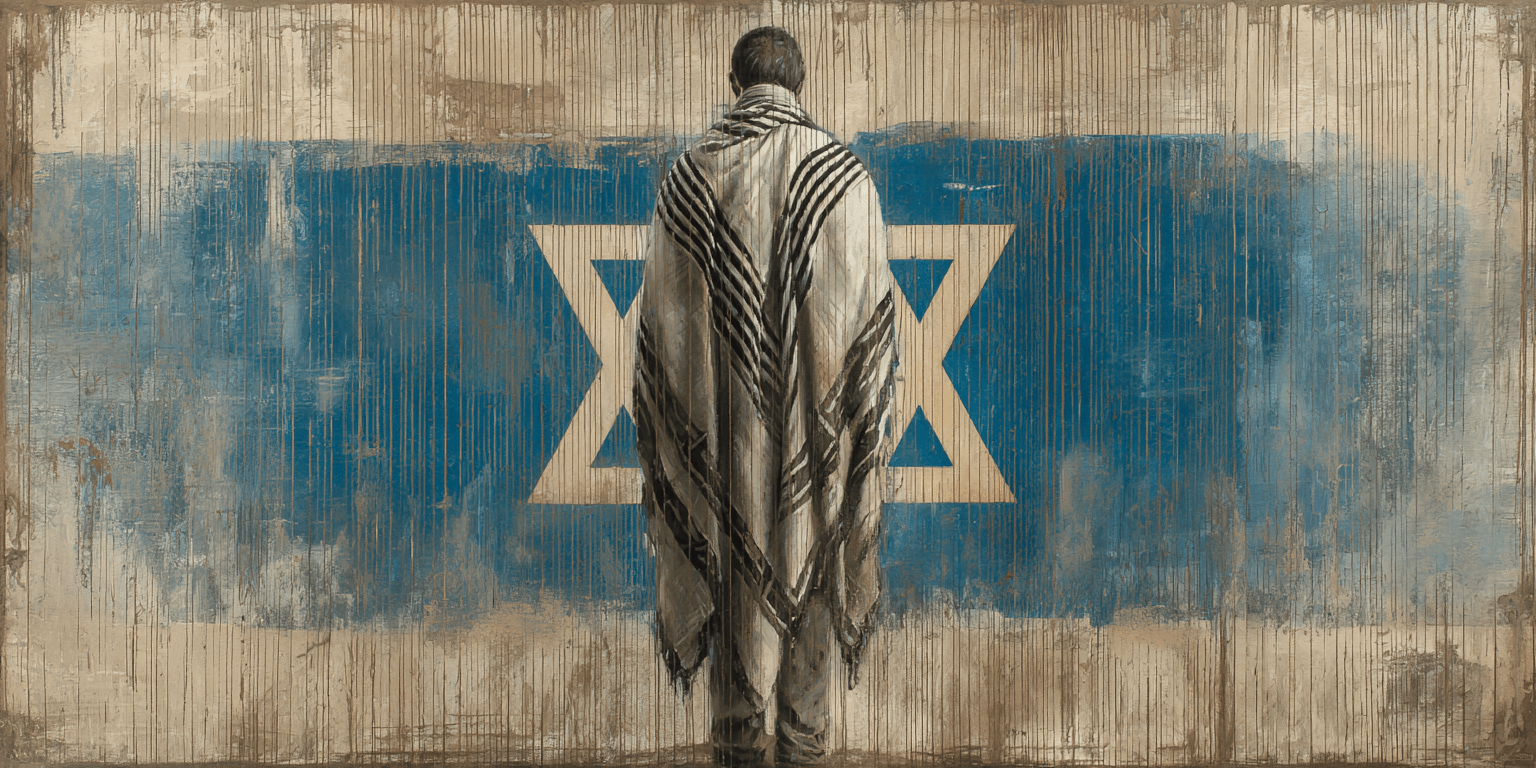
An Account from the Jewish Encyclopaedia
The Jewish Encyclopaedia presents the following account concerning ʿAbdullāh ibn Sabaʾ:
“He was a Jew of Yemen, Arabia, of the seventh century, who settled in Medina and embraced Islam. Having adversely criticised Caliph ʿUthmān’s administration, he was banished from the town. Thence he went to Egypt, where he founded an anti-ʿUthmānian sect to promote the interests of ʿAlī. On account of his learning, he obtained great influence there, and formulated the doctrine that, just as every prophet had an assistant who afterwards succeeded him, Muḥammad ﷺ’s vizier was ʿAlī, who had therefore been kept out of the caliphate by deceit. ʿUthmān had no legal claim whatsoever to the caliphate, and the general dissatisfaction with his government greatly contributed to the spread of ʿAbdullāh ibn Sabaʾ’s teachings.
Tradition relates that when ʿAlī had assumed power, ʿAbdullāh ibn Sabaʾ ascribed divine honours to him by addressing him with the words, ‘Thou art Thou!’ Thereupon ʿAlī banished him to al-Madāʾin. After ʿAlī’s assassination in 40 AH / 661 CE, ʿAbdullāh is said to have taught that ʿAlī was not dead but alive and had never been killed; that a part of the Deity was hidden in him; and that after a certain time he would return to fill the earth with justice. Until then, the divine character of ʿAlī was to remain hidden in the imāms, who temporarily filled his place.
It is easy to see that the whole idea rests on that of the Messiah in combination with the legend of Elijah the Prophet. The attribution of divine honours to ʿAlī was probably a later development and was fostered by the circumstance that in the Qurʾān Allah ﷻ is often styled al-ʿAliyy (The Most High).”
(The Jewish Encyclopaedia, vol. 1, p. 43)
Statements of Ahl al-Sunnah Regarding ʿAbdullāh ibn Sabaʾ
Abū Jaʿfar Muḥammad ibn Jarīr al-Ṭabarī (d. 310 AH / 923 CE): “Ibn Sabaʾ was a Jew from Ṣanʿāʾ in Yemen.”
ʿAlī ibn al-Ḥasan ibn ʿAsākir (d. 571 AH / 1176 CE): “His origin was from the people of Yemen, and he was a Jew who clothed himself in Islam.”
Abū al-Ḥasan ʿAlī ibn Muḥammad Ibn al-Athīr (d. 630 AH / 1233 CE): “ʿAbdullāh ibn Sabaʾ was a Jew from the people of Ṣanʿāʾ in Yemen, and his mother was black.”
Al-Ṭabarī on His Encounter with Abū al-Dardāʾ (d. 32 AH / 652 CE): “ʿAbdullāh ibn Sabaʾ approached Abū al-Dardāʾ, who said to him, ‘Who are you? By Allah, I suspected you to be a Jew.’”
Ismāʿīl ibn ʿUmar Ibn Kathīr (d. 774 AH / 1373 CE): “Among them was Ibn al-Sawdāʾ, and he was from those disbelievers who had a covenant with the Muslims. He then appeared as a Muslim and introduced innovative statements and actions. May Allah ﷻ destroy him.”
Taqī al-Dīn Aḥmad ibn Taymiyyah (d. 728 AH / 1328 CE): “The people of knowledge have mentioned that the leader of the Rāfiḍah originated from the heretic ʿAbdullāh ibn Sabaʾ. He manifested Islam while concealing his Judaism and sought to corrupt Islam, just as Paul the Christian, who was a Jew, corrupted the religion of the Christians.”
ʿAlī ibn ʿAlī Ibn al-ʿIzz al-Ḥanafī (d. 792 AH / 1390 CE): “The foundations of rafḍ began with a heretic and hypocrite who intended to introduce falsehood into Islam and to insult the Messenger of Allah ﷺ. That was ʿAbdullāh ibn Sabaʾ. When he manifested Islam, he sought to corrupt the religion through plotting and deception, as Paul did with Christianity. He first displayed piety and enjoined good and forbade evil, until he became involved in the turmoil during the reign of ʿUthmān and his killing. When he entered Kūfah, he displayed extremism towards ʿAlī in order to gain worldly benefit. This became clear to ʿAlī, who sought to execute him and expelled him to Qirqīsiyāʾ, as recorded in historical reports.”
ʿAbdullāh ibn Sabaʾ is thus regarded by the scholars of Ahl al-Sunnah as a principal originator of extremist tendencies, from whom the Rawāfiḍ Shīʿa later emerged.
ʿAbd al-Qāhir ibn Ṭāhir al-Baghdādī (d. 429 AH / 1037 CE): “Ibn al-Sawdāʾ, meaning ʿAbdullāh ibn Sabaʾ, was a Jew.”
Statements of Shīʿī Scholars Regarding ʿAbdullāh ibn Sabaʾ
Ḥasan ibn Mūsā al-Nawbakhtī (d. 300 AH / 912 CE): “Some of the scholars among the companions of ʿAlī narrated that ʿAbdullāh ibn Sabaʾ was a Jew who embraced Islam.”
Saʿd ibn ʿAbdullāh al-Qummī (d. 301 AH / 913 CE): “He is ʿAbdullāh ibn Sabaʾ, whose name was ʿAbdullāh ibn Wahb al-Rāsibī al-Hamdānī. He was the first to openly revile Abū Bakr, ʿUmar, ʿUthmān, and the Companions.”
ʿAbdullāh al-Māmaqānī (d. 1351 AH / 1932 CE): “ʿAbdullāh ibn Sabaʾ returned to disbelief and displayed extremism. He was an accursed extremist whom ʿAlī ibn Abī Ṭālib burnt with fire. He used to claim that ʿAlī was Allah ﷻ and that he himself was a prophet.”
Reference
The Jewish Encyclopaedia, edited by Isidore Singer et al., vol. 1, Funk and Wagnalls, New York, 1901, p. 43.
Al-Ṭabarī, Abū Jaʿfar Muḥammad ibn Jarīr (d. 310 AH / 923 CE). Tārīkh al-Rusul wa al-Mulūk. Beirut: Dār Ṣādir, 1965-1967, vol. 4, pp. 340, 456.
Ibn ʿAsākir, ʿAlī ibn al-Ḥasan (d. 571 AH / 1176 CE). Tārīkh Madīnat Dimashq. Beirut: Dār al-Fikr, 1987, vol. 29, p. 408.
Ibn al-Athīr, Abū al-Ḥasan ʿAlī ibn Muḥammad (d. 630 AH / 1233 CE). Al-Kāmil fī al-Tārīkh. Beirut: Dār Ṣādir, 1965-1967, vol. 3, p. 77.
Ibn Kathīr, Ismāʿīl ibn ʿUmar (d. 774 AH / 1373 CE). Al-Bidāyah wa al-Nihāyah. Beirut: Maktabat al-Maʿārif, 1966, vol. 7, p. 181.
Ibn Taymiyyah, Taqī al-Dīn Aḥmad ibn ʿAbd al-Ḥalīm (d. 728 AH / 1328 CE). Majmūʿ al-Fatāwā. Riyadh: Markaz al-Turāth lil-Barmajīyāt, 2012, vol. 28, p. 483.
Ibn al-ʿIzz al-Ḥanafī, ʿAlī ibn ʿAlī (d. 792 AH / 1390 CE). Sharḥ al-Ṭaḥāwiyyah fī al-ʿAqīdah al-Salafiyyah. Damascus: al-Maktab al-Islāmī, 1984, p. 490.
Al-Baghdādī, ʿAbd al-Qāhir ibn Ṭāhir (d. 429 AH / 1037 CE). Al-Farq bayna al-Firaq. Beirut: Dār al-Maʿrifah, 1977, p. 235.
Al-Nawbakhtī, Ḥasan ibn Mūsā (d. 300 AH / 912 CE). Firaq al-Shīʿah. Beirut: Dār al-Maʿrifah, 1977, p. 22.
Al-Qummī, Saʿd ibn ʿAbdullāh (d. 301 AH / 913 CE). Al-Maqālāt wa al-Firaq. Tehran: Dār al-Maʿrifah, 1963, p. 20.
Al-Māmaqānī, ʿAbdullāh (d. 1351 AH / 1932 CE). Tanqīḥ al-Maqāl fī ʿIlm al-Rijāl. Vol. 2. Najaf: al-Maṭbaʿah al-Ḥaydariyyah, n.d., pp. 183-184.

August 20, 2021
2 mins read
February 28, 2021
2 mins read


