The Changing Standards by Which Women Are Judged
Throughout history, societies have established expectations concerning women’s appearance, conduct, accomplishments and social standing. These expectations have varied considerably between cultures and generations, often influencing how women are perceived and, in certain circumstances, how they perceive themselves.
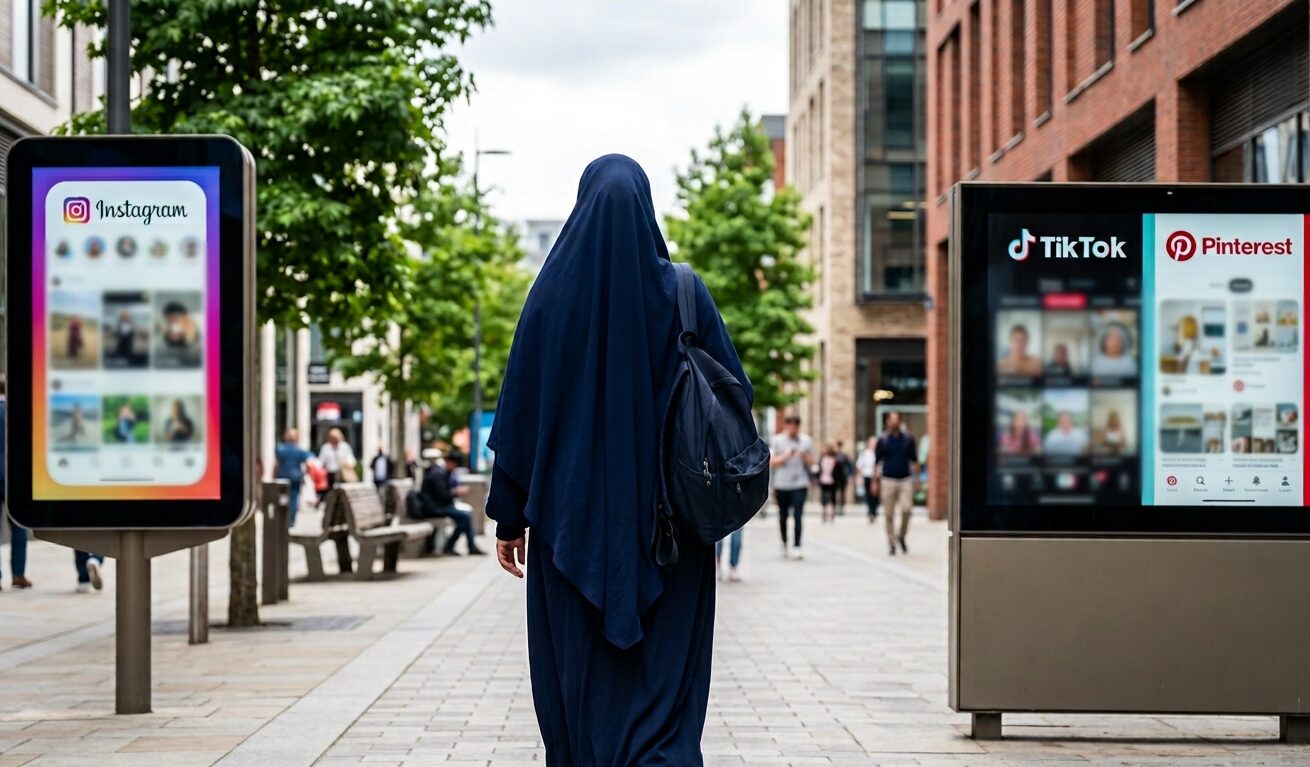
The emergence of social media has introduced another dimension to this phenomenon. Platforms such as Instagram and TikTok have made it possible to observe the lives, appearances, possessions and achievements of countless individuals with an immediacy and frequency that previous generations did not experience. These platforms provide opportunities for communication, education, beneficial reminders and maintaining relationships. Nevertheless, they also create an environment in which highly selective representations of people’s lives are encountered repeatedly, often without the wider circumstances necessary to understand them.
Images of carefully arranged homes, fashionable clothing, expensive possessions, apparently successful marriages and idealised lifestyles can contribute to expectations that are difficult to separate from reality. Such portrayals are not necessarily dishonest, nor is their publication inherently blameworthy. However, they rarely provide a complete account of the circumstances of those being observed. Consequently, a distinction can emerge between the realities of ordinary life and the standards against which that life is evaluated.
This is particularly relevant when considering the experiences of Muslim women, who may encounter not only wider societal expectations but also particular representations of religious identity, modesty, marriage, motherhood and feminine accomplishment.
Even religious identity can become tied to particular styles of dress, material possessions and carefully curated appearances, while the inward and outward qualities that Allah has commanded receive less attention.
What Contemporary Research Tells Us
The relationship between social media, social comparison and psychological well-being has become the subject of considerable academic investigation. A systematic review and meta-analysis published in Body Image in 2025 examined 83 studies involving 55,440 participants. The researchers identified a statistically significant association between greater online social comparison and increased concerns about physical appearance, with an average correlation of r = 0.454. In other words, the more a person compares her looks to people on social media, the more worried or self-conscious she tends to be about her own appearance. They also identified an association between greater online comparison and lower positive body image, with a correlation of r = −0.242.¹ The more a person compares herself online, the less she tends to appreciate or feel good about her body.
These findings do not establish that social media necessarily causes dissatisfaction, nor that every individual who encounters such material will be adversely affected. They do, however, provide evidence that online comparison and appearance-related concerns are meaningfully associated. The American Psychological Association reached a similarly cautious conclusion in its 2023 Health Advisory on Social Media Use in Adolescence, recommending that adolescents’ exposure to content encouraging appearance-related comparison be limited. However, the Association also recognised that social media can provide meaningful opportunities for social connection and support.²
The United States Surgeon General’s 2023 advisory likewise reported that 46% of surveyed adolescents aged 13–17 said social media made them feel worse about their body image.³ Although this finding concerns adolescents rather than adult women, it illustrates the prevalence of appearance-related concerns within one extensively studied population. The available evidence therefore supports a measured conclusion: certain forms of social media engagement, particularly those involving repeated comparison with idealised representations of others, can be associated with dissatisfaction and poorer psychological outcomes. These effects are neither universal nor attributable to social media alone.
The research provides a contemporary context for considering an issue addressed long before the emergence of digital platforms: the danger of allowing comparison with others to diminish one’s appreciation of the blessings Allah has bestowed.
The Islamic Criterion of Honour and Worth
Islam establishes a criterion of honour that is fundamentally different from the standards through which people are frequently distinguished in society. Allah says:
﴿يَا أَيُّهَا النَّاسُ إِنَّا خَلَقْنَاكُمْ مِنْ ذَكَرٍ وَأُنْثَىٰ وَجَعَلْنَاكُمْ شُعُوبًا وَقَبَائِلَ لِتَعَارَفُوا ۚ إِنَّ أَكْرَمَكُمْ عِنْدَ اللَّهِ أَتْقَاكُمْ﴾
“O mankind! We have created you from a male and a female, and made you into nations and tribes, that you may know one another. Verily, the most honourable of you with Allah is that (believer) who has at-taqwā.” [Q 49:13]
This verse establishes taqwā as the criterion of honour before Allah, rather than lineage, wealth, physical appearance or worldly recognition. A woman may possess considerable wealth, enjoy widespread admiration or occupy a prominent position in society. None of these qualities, considered independently, establishes her righteousness before Allah. Conversely, a woman whose life is comparatively private, whose circumstances are modest or whose righteous efforts are unknown to the wider public may possess a tremendous standing with her Lord.
The Messenger of Allah said:
إِنَّ اللَّهَ لَا يَنْظُرُ إِلَى صُوَرِكُمْ وَأَمْوَالِكُمْ، وَلَكِنْ يَنْظُرُ إِلَى قُلُوبِكُمْ وَأَعْمَالِكُمْ
“Verily, Allah does not look at your appearances or your wealth, but He looks at your hearts and your deeds.”⁴
The narration directs attention towards the inward and outward qualities that establish righteousness: sincerity, faith, obedience and righteous action. It does not mean that appearance, wealth or worldly circumstances have no place in a person’s life. Rather, these are not the measures by which Allah determines the excellence of His servants.
Shaykh al-Islām Aḥmad ibn ʿAbd al-Ḥalīm Ibn Taymiyyah (d. 728 AH/1328 CE), in his celebrated treatise al-ʿUbūdiyyah, explains the comprehensive nature of worship:
الْعِبَادَةُ هِيَ اسْمٌ جَامِعٌ لِكُلِّ مَا يُحِبُّهُ اللَّهُ وَيَرْضَاهُ مِنَ الْأَقْوَالِ وَالْأَعْمَالِ الْبَاطِنَةِ وَالظَّاهِرَةِ
“Worship is a comprehensive term encompassing everything Allah loves and is pleased with, whether inward or outward, among statements and actions.”⁵
This definition provides an important foundation for understanding the true worth of the believing woman. Her religious excellence is not restricted to what others can observe. It includes sincerity, reliance upon Allah, patience, gratitude, love of righteousness and the numerous inward acts of worship that may remain unknown to people. It also encompasses the outward obligations prescribed by the Sharīʿah, including prayer, chastity, modesty and righteous conduct.
A Muslim woman’s dignity is therefore not dependent upon how closely her life resembles the lifestyles celebrated by society. Her religious worth is not diminished because she lacks particular possessions, receives little public attention or does not fulfil every expectation imposed upon women. The qualities through which she seeks nearness to Allah remain accessible through sincere worship, beneficial knowledge, righteous character and obedience, according to her circumstances and ability.
Social Comparison and the Loss of Contentment
The tendency to compare one’s circumstances with those of others is not unique to the modern age. However, what has changed is the frequency and scale of exposure. Social media allows individuals to encounter an extensive range of lifestyles, achievements and possessions, often presented through their most favourable moments. Such exposure can encourage comparisons between ordinary circumstances and carefully selected representations of other people’s lives.
The underlying spiritual concern extends beyond physical appearance. Comparison may concern wealth, marriage, children, housing, education, social standing and other worldly matters. When another person’s circumstances become the standard against which one’s own blessings are measured, gratitude can gradually be displaced by dissatisfaction.
The Messenger of Allah addressed this matter directly:
انْظُرُوا إِلَى مَنْ أَسْفَلَ مِنْكُمْ، وَلَا تَنْظُرُوا إِلَى مَنْ هُوَ فَوْقَكُمْ، فَهُوَ أَجْدَرُ أَنْ لَا تَزْدَرُوا نِعْمَةَ اللَّهِ عَلَيْكُمْ
“Look at those who are below you and do not look at those who are above you, for this is more likely to prevent you from belittling Allah’s blessings upon you.”⁶
The Prophet directed the believer towards a perspective that encourages gratitude and prevents the blessings of Allah from being regarded as insignificant. The narration concerns worldly circumstances and should not be understood as discouraging the believer from aspiring towards greater righteousness or beneficial knowledge.
Shaykhah Umm ʿAbdillāh ʿĀʾishah bint Muqbil ibn Hādī al-Wādiʿiyyah discusses the destructive consequences of envy in My Sincere Advice to Women. She explains the importance of guarding the heart against resentment towards the blessings granted to others and of cultivating gratitude for Allah’s favours. Her discussion is relevant to the spiritual dangers of becoming excessively preoccupied with the circumstances of others.⁷
Allah says:
﴿وَلَا تَتَمَنَّوْا مَا فَضَّلَ اللَّهُ بِهِ بَعْضَكُمْ عَلَىٰ بَعْضٍ﴾
“And wish not for the things in which Allah has made some of you to excel others.” [Q 4:32]
This guidance does not prohibit lawful aspirations, beneficial ambition or supplicating to Allah for additional blessings. Rather, it establishes the importance of recognising His favours and avoiding resentment towards what He has granted others. A Muslim woman may pursue beneficial knowledge, seek marriage, improve her circumstances or aspire towards other lawful objectives while remaining grateful for what she already possesses. Contentment does not require the abandonment of aspiration; rather, it requires that one’s peace of mind not become entirely dependent upon possessing everything that others possess.
The Heart Cannot Be Satisfied by Worldly Appearances
The contemporary discussion surrounding social media frequently concerns the influence of comparison upon a person’s sense of satisfaction. Islamic scholarship addresses a deeper question: what is capable of bringing genuine tranquillity to the human heart?
Ibn al-Qayyim states:
فَفِي الْقَلْبِ شَعَثٌ لَا يَلُمُّهُ إِلَّا الْإِقْبَالُ عَلَى اللَّهِ، وَفِيهِ وَحْشَةٌ لَا يُزِيلُهَا إِلَّا الْأُنْسُ بِهِ فِي خَلْوَتِهِ، وَفِيهِ حُزْنٌ لَا يُذْهِبُهُ إِلَّا السُّرُورُ بِمَعْرِفَتِهِ وَصِدْقِ مُعَامَلَتِهِ، وَفِيهِ قَلَقٌ لَا يُسَكِّنُهُ إِلَّا الِاجْتِمَاعُ عَلَيْهِ وَالْفِرَارُ مِنْهُ إِلَيْهِ، وَفِيهِ نِيرَانُ حَسَرَاتٍ لَا يُطْفِئُهَا إِلَّا الرِّضَا بِأَمْرِهِ وَنَهْيِهِ وَقَضَائِهِ، وَمُعَانَقَةُ الصَّبْرِ عَلَى ذَلِكَ إِلَى وَقْتِ لِقَائِهِ … وَفِيهِ فَاقَةٌ لَا يَسُدُّهَا إِلَّا مَحَبَّتُهُ، وَالْإِنَابَةُ إِلَيْهِ، وَدَوَامُ ذِكْرِهِ، وَصِدْقُ الْإِخْلَاصِ لَهُ، وَلَوْ أُعْطِيَ الدُّنْيَا وَمَا فِيهَا لَمْ تَسُدَّ تِلْكَ الْفَاقَةَ مِنْهُ أَبَدًا
“Within the heart there is a scattering that nothing can bring together except turning towards Allah. Within it there is an estrangement that nothing removes except finding companionship with Him in seclusion. Within it there is sorrow that nothing dispels except the joy of knowing Him and being sincere in one’s dealings with Him. Within it there is anxiety that nothing calms except gathering oneself upon Him and fleeing from Him to Him. Within it are fires of regret that nothing extinguishes except contentment with His commands, His prohibitions and His decree, together with embracing patience upon that until the time of meeting Him… Within it there is a need that nothing can satisfy except loving Him, returning to Him, continually remembering Him and being truly sincere towards Him. Even if the whole world and everything within it were given to a person, that need would never be satisfied.”⁸
This passage deserves careful reflection because it addresses the limitations of worldly fulfilment. Ibn al-Qayyim identifies several distinct conditions of the heart and explains the means through which each is remedied. Its scattering is gathered through turning towards Allah, its estrangement is removed through finding companionship with Him, its sorrow is relieved through knowing Him, and its anxiety is calmed through returning to Him. The passage culminates in the observation that even possession of the entire world cannot satisfy the heart’s deepest spiritual need.
This is particularly relevant to a society in which happiness is frequently associated with acquiring more possessions, attaining greater recognition or achieving an idealised lifestyle. Wealth, beauty, marriage, children, comfort and success can all be blessings. Their lawful pursuit and enjoyment are not inherently blameworthy. However, none of these can independently satisfy every need of the human heart.
The woman who understands this principle is better equipped to appreciate worldly blessings without allowing them to become the ultimate measure of happiness. The objective is not to reject what Allah has made permissible, but to recognise that lasting spiritual tranquillity is attained through a relationship with Him.
Instagram, TikTok and the Pressure to Be Admired
One of the distinctive features of social media is that it makes public recognition measurable. The number of followers, views, likes and comments associated with a person’s account can become visible indicators of attention and approval. Although such measures can serve practical purposes, they do not establish the moral or religious excellence of the individual concerned.
A person may be widely admired for qualities that have little relationship to righteousness. Another may perform acts of considerable religious significance without attracting public recognition.
The Messenger of Allah said:
إِنَّمَا الْأَعْمَالُ بِالنِّيَّاتِ، وَإِنَّمَا لِكُلِّ امْرِئٍ مَا نَوَى
“Actions are but by intentions, and every person shall have only that which he intended.”⁹
The principle established by this narration is relevant to all forms of public activity, including the use of social media. The benefit of an action is not determined solely by the attention it receives. Its religious significance also depends upon the intention behind it and whether it conforms to the guidance of Allah and His Messenger .
There are numerous beneficial uses of digital platforms. Women may share Islamic reminders, teach beneficial knowledge, maintain family relationships and contribute to charitable or educational activities through them. The concern arises when public recognition becomes an objective in itself, particularly where its pursuit encourages behaviour contrary to the requirements of the Sharīʿah.
In A Message Exclusively to the Muslim Woman, Shaykh Jamāl al-Ḥārithī discusses the importance of sincerity, religious knowledge and observing Islamic guidelines when engaging with others, including through electronic forms of communication. His discussion is concerned with ensuring that beneficial objectives are not pursued through means that compromise religious obligations.¹⁰ Although the technologies mentioned in the book reflect the period in which it was written, the underlying questions remain relevant: whether an activity is permissible, whether it is genuinely beneficial, and whether its pursuit is consistent with the obligations Allah has established.
The distinction is therefore not simply between using social media and abandoning it entirely. Rather, it concerns allowing such platforms to serve lawful and beneficial purposes without allowing their expectations to determine one’s priorities, conduct or sense of worth.
The Muslim Woman Is Precious: Islam Has Already Honoured Her
The dignity of the Muslim woman is a recurring subject in the writings of the scholars. In Islam Honors the Woman, Shaykh ʿAbd ar-Razzāq ibn ʿAbd al-Muḥsin al-ʿAbbād al-Badr discusses the manner in which the Sharīʿah safeguards women’s honour and establishes guidelines intended to preserve chastity, dignity and upright conduct.
In his discussion of the woman’s honour, the Shaykh explains that these commandments are not intended merely to restrict women. Rather, he presents them as part of the protection Islam establishes for individuals, families and society. He describes this protection as “the true honor for the woman”.¹¹ Elsewhere, under the heading Islam Protects the Woman, he discusses the Islamic guidelines concerning ḥijāb, chastity and the avoidance of prohibited display. In explaining the significance of these protections, he compares the Muslim woman to “a valuable pearl and a precious gem”.¹²
A statement circulated in the name of Shaykh Muqbil ibn Hādī al-Wādiʿī (d. 1422 AH/2001 CE) similarly describes righteous Salafī women in striking terms:
النِّسَاءُ السَّلَفِيَّاتُ أَغْلَى مِنَ الذَّهَبِ الْأَحْمَرِ
“Salafī women are more precious than red gold.”
When Shaykhah Umm ʿAbdillāh al-Wādiʿiyyah was asked whether her father had made this statement, she replied that Allah knows best, but that such words would not have been surprising from him. She explained that he held Salafī women in remarkable esteem, particularly those who sought religious knowledge. The statement has also been reported directly from him in al-Imām al-Almaʿī, p. 248.¹³
The significance of this sentiment is not that a woman’s value should be measured against precious metals, but that righteousness, chastity and beneficial knowledge are qualities worthy of the highest esteem. These are not qualities dependent upon wealth, appearance or public recognition.
Shaykh ʿAbd al-ʿAzīz ibn ʿAbdillāh ibn Bāz (d. 1420 AH/1999 CE), in his discussion entitled The Status of Women in Islam, likewise explains that the Muslim woman possesses an honourable position and exercises considerable influence upon the lives of others. He emphasises that this honour is inseparable from the rights and responsibilities established by the Qurʾān and Sunnah.¹⁴
The recognition Islam grants women is therefore not limited to matters of clothing or outward appearance. It includes their religious responsibilities, their rights to just treatment, their opportunities to acquire beneficial knowledge and their ability to attain the rewards promised to the believers.
Shaykh Ibn Bāz also rejected the claim that Islam diminishes women’s standing. He explained that Islam elevated their status, established their rights and required that mothers, wives and daughters be treated with the consideration appropriate to their circumstances.¹⁵
This wider understanding is essential. The Muslim woman’s dignity should not be reduced to a discussion of how she dresses, just as her religious worth should not be measured by her public appearance. Rather, her honour must be understood through the complete guidance of the Qurʾān and Sunnah.
The Woman’s Importance in Rectifying Society
Another area in which contemporary expectations may influence perceptions of worth concerns the recognition given to different forms of work and responsibility. Public achievements are often readily visible and celebrated. By contrast, responsibilities fulfilled within the family and household may receive comparatively little recognition, even when their significance is considerable.
Shaykh Muḥammad ibn Ṣāliḥ al-ʿUthaymīn (d. 1421 AH/2001 CE) devoted a lecture to The Role of the Woman in Rectifying Society, in which he emphasised the influence women possess upon the condition of the wider community. His discussion identifies the righteousness of women as an important component of societal reform, particularly because of their influence upon the upbringing, education and development of others.¹⁶
In The Islamic Awakening, Shaykh al-ʿUthaymīn similarly emphasises that a woman should begin with her own righteousness so that she becomes a good example for her daughters. He explains that children represent the men and women of future generations and that mothers exercise a particularly important influence during their earliest development. Consequently, the mother’s conduct, manners and upbringing of her children can contribute significantly to the righteousness of the wider society.¹⁷
Shaykh Ṣāliḥ ibn Fawzān al-Fawzān likewise draws attention to the relationship between the condition of the woman, the household and the wider community. A statement attributed to him in Muḥāḍarāt fī al-ʿAqīdah wa-d-Daʿwah reads:
“If the woman is lost, the household will be lost. If the household is lost, the children will be lost. And if households are lost, society will be lost.”¹⁸
The Shaykh’s emphasis concerns the importance of preserving the religious and moral foundations of the family. The righteousness of the household has consequences beyond its immediate members, since families form the foundation of the wider community. This does not remove the responsibilities placed upon fathers or other members of the household; rather, it highlights the considerable influence that mothers and wives may exercise within it.
Shaykh Aḥmad ibn Yaḥyā an-Najmī (d. 1429 AH/2008 CE) is likewise cited as saying in Fatḥ ar-Rabb al-Wadūd:
“The mother is the first school. If she is righteous, the offspring will be righteous.”¹⁹
The statement expresses the importance of the mother’s influence during the formative years of a child’s life. The righteousness of children is ultimately by the guidance and permission of Allah, and parents are responsible for striving to provide the upbringing and education through which such righteousness may be cultivated.
Shaykh Ibn Bāz, in his discussion of the Muslim woman’s status, draws particular attention to the responsibilities carried by mothers. He explains that their importance arises in part from the considerable responsibilities and difficulties they undertake, some of which are not borne by men. He then connects this observation to the obligation of gratitude, kindness and excellent companionship towards one’s mother.²⁰
Allah says:
﴿وَوَصَّيْنَا الْإِنسَانَ بِوَالِدَيْهِ إِحْسَانًا ۖ حَمَلَتْهُ أُمُّهُ كُرْهًا وَوَضَعَتْهُ كُرْهًا ۖ وَحَمْلُهُ وَفِصَالُهُ ثَلَاثُونَ شَهْرًا﴾
“And We have enjoined upon man to be dutiful and kind to his parents. His mother bears him with hardship, and she brings him forth with hardship. And the bearing and weaning of him is thirty months.” [Q 46:15]
The verse draws attention to the hardships associated with pregnancy, childbirth and nursing, and establishes kindness towards parents as a religious obligation.
Abū Hurayrah narrated that a man came to the Messenger of Allah and asked who was most deserving of his excellent companionship. The Prophet replied:
أُمُّكَ
“Your mother.”
The man asked again, and the Prophet repeated the same answer. When he asked a third time, he again replied, “Your mother.” Only upon the fourth question did he answer, “Your father.”²¹
Shaykh Ibn Bāz explains that this narration establishes the mother’s uniquely elevated status and the great right she holds to her children’s kindness, gratitude and devoted care. It is a reminder that the care she gives, the sacrifices she makes and the love she pours into her family are not insignificant or easily forgotten. Her efforts deserve to be recognised, and her rights deserve to be honoured. Motherhood is not simply a list of responsibilities to fulfil; rather, it is a position of honour that Islam calls upon others to appreciate through gratitude and good treatment.
The Shaykh also reflects on the important role a wife plays in nurturing tranquillity within marriage, citing the statement of Allah :
﴿وَمِنْ آيَاتِهِ أَنْ خَلَقَ لَكُم مِّنْ أَنفُسِكُمْ أَزْوَاجًا لِّتَسْكُنُوا إِلَيْهَا وَجَعَلَ بَيْنَكُم مَّوَدَّةً وَرَحْمَةً ۚ إِنَّ فِي ذَٰلِكَ لَآيَاتٍ لِّقَوْمٍ يَتَفَكَّرُونَ﴾
“And among His signs is that He created for you spouses from among yourselves, so that you may find tranquillity in them, and He placed between you affection and mercy. Indeed, in that are signs for people who reflect.” [Q 30:21]
In his explanation of this verse, al-Ḥāfiẓ Ismāʿīl ibn ʿUmar Ibn Kathīr (d. 774 AH/1373 CE) explains mawaddah as love and affection and raḥmah as mercy and compassion. These qualities form part of the foundation through which marriage becomes a source of tranquillity and mutual care.²²
The life of Khadījah bint Khuwaylid provides a remarkable example of the reassurance and support a righteous woman may offer. When the Messenger of Allah returned from the cave of Ḥirāʾ after the first revelation, he sought comfort from Khadījah and informed her of what had occurred. She reassured him, reminding him of his noble character, his maintenance of family ties, his generosity towards guests and his assistance to those experiencing hardship.²³
Her response reflects the strength of a woman who, in a moment of uncertainty, offered not only comfort but reassurance rooted in truth. She gently reminded the Messenger of Allah of the noble qualities Allah had bestowed upon him, helping him recognise that the One who had guided him towards goodness would not forsake him. Her words illustrate how a woman’s wisdom and compassion can bring reassurance to a troubled heart and offer strength when it is most needed.
Shaykh Ibn Bāz also highlights the influence of ʿĀʾishah bint Abī Bakr , from whom numerous Companions acquired knowledge of ḥadīth and the rulings of the religion. Her example demonstrates that women’s contributions to the Muslim community have included the preservation, teaching and transmission of religious knowledge.²⁴
The Shaykh then speaks personally about the influence of his own mother, explaining that she encouraged him to seek knowledge and assisted him in doing so. He supplicates for Allah to have mercy upon her and reward her for the support she provided. This is a particularly meaningful example because it demonstrates how the encouragement of a mother may contribute to the development of a scholar whose knowledge subsequently benefits generations of Muslims.²⁵
The raising of children upon faith, the nurturing of noble character, the teaching of religious obligations and the cultivation of love for righteousness are acts whose influence may reach far beyond the walls of a home. A mother may never witness the full extent of what she has instilled in her children, yet the values she nurtures shape their lives, influence those around them and continue to bear fruit long after the moment of teaching has passed. Such work should never be considered small simply because it unfolds away from public view, for some of the most lasting contributions to a society begin quietly within the home.
At the same time, the religious worth of a woman is not conditional upon marriage or motherhood. Unmarried women, widows, divorcees and women without children possess numerous opportunities for worship, beneficial knowledge, charity and service to others. Every believing woman has responsibilities and opportunities through which she may seek Allah’s pleasure according to her circumstances and ability. The significance of these efforts is not determined by the attention they receive.
What Truly Makes a Woman a Good Woman?
The standards by which society judges women are continually changing. Particular appearances, lifestyles and accomplishments may become fashionable for a period before being replaced by others. However, the qualities that establish righteousness before Allah are not determined by such trends.
The Messenger of Allah said:
تُنْكَحُ الْمَرْأَةُ لِأَرْبَعٍ: لِمَالِهَا، وَلِحَسَبِهَا، وَجَمَالِهَا، وَلِدِينِهَا، فَاظْفَرْ بِذَاتِ الدِّينِ تَرِبَتْ يَدَاكَ
“A woman is married for four things: her wealth, her lineage, her beauty and her religion. So choose the religious woman.”²⁶
In The Means for a Happy Family, Shaykh Sulaymān ar-Ruḥaylī discusses this narration and the priority it gives to religious commitment. The narration acknowledges the worldly qualities people may consider when seeking marriage, but directs them towards religion as the foundation of genuine success.
The significance of this principle extends beyond marriage. A woman’s righteousness is not established merely through beauty, wealth or social standing. It is established through her faith, sincerity, obedience, chastity, good character and fulfilment of the responsibilities Allah has placed upon her.
ʿAllāmah Ṣiddīq Ḥasan Khān al-Qinnawjī (d. 1307 AH/1890 CE), in his discussion of women’s religious obligations, emphasises that women are addressed by the general commands and prohibitions of the Sharīʿah except where a particular ruling establishes a distinction. Consequently, the virtues encouraged by the Qurʾān and Sunnah are virtues that women are required to cultivate, just as the prohibited qualities are matters they must avoid.²⁷
This is an important reminder that righteousness is not confined to a particular stage of life or social role. The woman who seeks knowledge, establishes her prayers, observes the obligations of her religion, cultivates patience and strives to improve her character is engaged in matters of tremendous significance, irrespective of her marital status or worldly circumstances.
Imām ʿAbd ar-Raḥmān ibn ʿAlī Ibn al-Jawzī (d. 597 AH/1201 CE) similarly explains that women are religiously accountable and therefore require knowledge of the obligations Allah has placed upon them. He discusses the importance of learning these matters from those qualified to teach them and asking questions whenever clarification is needed.²⁸
Shaykh al-ʿUthaymīn likewise explains that seeking religious knowledge is not exclusive to men. Just as men must acquire the knowledge necessary for the correct performance of their worship, women must acquire the knowledge required to fulfil their own religious obligations.²⁹
In A Message Exclusively to the Muslim Woman, Shaykh Jamāl al-Ḥārithī includes a section entitled Third Advice: Seek Knowledge. He encourages Muslim women to give importance to learning the religious knowledge required for the fulfilment of their obligations, beginning with tawḥīd, its opposite, shirk, and the matters necessary for the correct performance of worship.³⁰
This principle provides an important contrast with the standards through which success is frequently measured. A woman may be admired for her possessions, appearance or public accomplishments, but none of these can replace knowledge of Allah, understanding of His religion and sincere obedience to Him.
Shaykh Ṣāliḥ al-Fawzān, in Rulings Pertaining to Muslim Women, likewise emphasises the religious obligations that apply to women, including the establishment of prayer. He explains that Muslim women are required to observe their prayers at the prescribed times and fulfil their conditions and obligations.³¹
The believing woman should therefore recognise the importance of cultivating those qualities that remain meaningful regardless of wealth, social standing or public recognition. Beneficial knowledge, firm faith, noble character and sincere worship are among the most precious provisions a woman can nurture, carrying her towards what pleases Allah and towards His success in this life and the Hereafter.
Modesty Is Not a Deficiency
Among the areas in which societal expectations can conflict with religious guidance is the public display of beauty and adornment. Modern advertising and social media frequently place considerable emphasis upon appearance, with particular styles, products and trends becoming associated with confidence, desirability or success.
Yet the guidance of Islam establishes principles concerning modesty that are not dependent upon changing social expectations. Allah says:
﴿وَلَا تَبَرَّجْنَ تَبَرُّجَ الْجَاهِلِيَّةِ الْأُولَىٰ﴾
“And do not display yourselves like that of the times of ignorance.” [Q 33:33]
Shaykh Ibn Bāz, in his explanation of tabarruj, states:
التَّبَرُّجُ هُوَ إِظْهَارُ الْمَحَاسِنِ وَالْمَفَاتِنِ
“Tabarruj is displaying beauty and attractive features.”³²
He proceeds to explain the forms of adornment and exposure that fall within the prohibition according to the legal position he adopts. In the same discussion, he also emphasises that men are commanded to lower their gaze and avoid the causes of temptation, making clear that the obligation to preserve chastity and upright conduct is not confined to women.
Shaykh al-ʿUthaymīn also discusses the evidences and wisdoms relating to women’s covering in A Treatise on Hijab. He addresses arguments raised concerning the obligation of covering and explains the legal conclusions he derives from the Qurʾān and Sunnah. Shaykh Muḥammad Nāṣir ad-Dīn al-Albānī (d. 1420 AH/1999 CE), in The Dress Code for the Muslim Woman in the Book and the Sunnah, likewise examines the conditions of Islamic dress and the evidences concerning women’s covering. The two scholars differ on certain details of the ruling concerning the face and hands, and their positions should not be presented as identical.³³
The existence of such scholarly discussions demonstrates the importance of grounding religious practice in evidence rather than fashion or social convention.
Modesty does not require a woman to feel that beauty is something to be ashamed of, nor does it prevent her from appreciating her appearance and the adornments Allah has made permissible. Rather, it lies in enjoying these blessings while remaining mindful of the boundaries He has set.
Likewise, the popularity of a particular trend does not establish that it ought to be followed, just as widespread approval does not establish the permissibility of an action. For the believing woman, confidence in religious guidance should arise from understanding its evidences and recognising the wisdom of obedience to Allah, rather than from conformity to the expectations of others.
Appreciating What Allah Has Given
Among the foundations of a tranquil life is recognising that Allah distributes worldly blessings according to His wisdom. People differ in wealth, health, family circumstances, abilities, opportunities and other matters. These differences do not establish the superiority of one individual over another before Allah, nor should they become a reason for resentment or dissatisfaction.
The Messenger of Allah said:
قَدْ أَفْلَحَ مَنْ أَسْلَمَ، وَرُزِقَ كَفَافًا، وَقَنَّعَهُ اللَّهُ بِمَا آتَاهُ
“Successful is the one who has submitted to Islam, has been provided with sufficient sustenance and whom Allah has made content with what He has given him.”³⁴
The narration connects success with Islam, sufficient provision and contentment. It does not establish that a believer must abandon lawful aspirations or cease striving for beneficial things. Rather, it teaches that contentment should not be made dependent upon acquiring every worldly advantage that others possess.
A woman may desire marriage while appreciating her present blessings. She may hope for children while exercising patience with Allah’s decree. She may pursue education, employment or improved circumstances without allowing these aspirations to diminish her gratitude.
Allah says:
﴿لَئِن شَكَرْتُمْ لَأَزِيدَنَّكُمْ﴾
“If you give thanks, I will give you more (of My Blessings).” [Q 14:7]
Gratitude involves recognising Allah’s favours, attributing them to Him and using them in obedience to Him. It is possible to appreciate what one possesses while continuing to strive towards what is beneficial.
This balance protects a person from two opposite errors: abandoning lawful aspirations altogether, and becoming so preoccupied with them that existing blessings are overlooked. The believer should therefore combine gratitude for what Allah has granted with supplication for what is beneficial and patience concerning what has not yet been attained.
The Reward of the Woman Who Preserves Her Chastity and Honour
The greatest reassurance for the believing woman lies in knowing that her worth is not determined by how the world perceives her, but by her standing with Allah and the reward He has prepared for those who remain steadfast upon faith and righteousness. Worldly recognition is temporary, wealth may come and go, social standing may change, and the standards by which people are admired rarely remain constant. Yet the deeds performed sincerely for Allah are never lost with Him. What matters most is not how highly a woman is regarded in the eyes of people, but whether she seeks the pleasure of her Lord, for His reward is everlasting and His acceptance is worth far more than any admiration this world can offer.
The reward promised by Allah is different. He says:
﴿إِنَّ الْمُسْلِمِينَ وَالْمُسْلِمَاتِ وَالْمُؤْمِنِينَ وَالْمُؤْمِنَاتِ وَالْقَانِتِينَ وَالْقَانِتَاتِ وَالصَّادِقِينَ وَالصَّادِقَاتِ وَالصَّابِرِينَ وَالصَّابِرَاتِ وَالْخَاشِعِينَ وَالْخَاشِعَاتِ وَالْمُتَصَدِّقِينَ وَالْمُتَصَدِّقَاتِ وَالصَّائِمِينَ وَالصَّائِمَاتِ وَالْحَافِظِينَ فُرُوجَهُمْ وَالْحَافِظَاتِ وَالذَّاكِرِينَ اللَّهَ كَثِيرًا وَالذَّاكِرَاتِ أَعَدَّ اللَّهُ لَهُم مَّغْفِرَةً وَأَجْرًا عَظِيمًا﴾
“Indeed, the Muslim men and Muslim women, the believing men and believing women, the obedient men and obedient women, the truthful men and truthful women, the patient men and patient women, the humble men and humble women, the charitable men and charitable women, the fasting men and fasting women, the men who guard their chastity and the women who guard theirs, and the men who remember Allah often and the women who do so: Allah has prepared for them forgiveness and a tremendous reward.” [Q 33:35]
This verse identifies the qualities through which believing men and women seek Allah’s pleasure. It mentions faith, obedience, truthfulness, patience, humility, charity, fasting, chastity and remembrance of Allah. These qualities are not dependent upon wealth, social standing or public recognition. They are qualities through which a woman may draw closer to her Lord in whatever circumstances she finds herself.
Allah also says:
﴿وَعَدَ اللَّهُ الْمُؤْمِنِينَ وَالْمُؤْمِنَاتِ جَنَّاتٍ تَجْرِي مِن تَحْتِهَا الْأَنْهَارُ خَالِدِينَ فِيهَا وَمَسَاكِنَ طَيِّبَةً فِي جَنَّاتِ عَدْنٍ ۚ وَرِضْوَانٌ مِّنَ اللَّهِ أَكْبَرُ ۚ ذَٰلِكَ هُوَ الْفَوْزُ الْعَظِيمُ﴾
“Allah has promised the believing men and believing women Gardens beneath which rivers flow, wherein they shall remain forever, and pleasant dwellings in the Gardens of everlasting residence. Yet the pleasure of Allah is greater. That is the tremendous success.” [Q 9:72]
The promise is remarkable in its clarity. Allah has promised believing women forgiveness, tremendous reward, everlasting gardens and His pleasure. The value of these rewards cannot be compared with temporary worldly admiration.
Among the clearest narrations demonstrating the tremendous reward available to the believing woman is the statement of the Messenger of Allah , narrated by Abū Hurayrah :
إِذَا صَلَّتِ الْمَرْأَةُ خَمْسَهَا، وَصَامَتْ شَهْرَهَا، وَحَصَّنَتْ فَرْجَهَا، وَأَطَاعَتْ بَعْلَهَا، دَخَلَتْ مِنْ أَيِّ أَبْوَابِ الْجَنَّةِ شَاءَتْ
“If a woman establishes her five daily prayers, fasts her month of Ramaḍān, guards her chastity and obeys her husband, she will enter Paradise through whichever of its gates she wishes.”³⁵
This narration contains an extraordinary promise. The Prophet identifies fundamental acts of worship and righteousness through which the married Muslim woman may attain the tremendous reward of entering Paradise through whichever of its gates she wishes. These obligations are not dependent upon wealth, social standing, physical appearance or the admiration of others. Rather, they concern her relationship with Allah, her observance of His commands and the fulfilment of the marital responsibilities established by the Sharīʿah.
The narration also demonstrates that the means of attaining Paradise are not confined to extraordinary public accomplishments. The establishment of prayer, fasting, preservation of chastity and fulfilment of religious responsibilities are matters of immense significance before Allah, even when their observance is largely unknown to other people. Obedience to a husband, as with obedience to any created being, remains within what is lawful and does not extend to disobedience to Allah.
Another remarkable narration concerns a woman who suffered from seizures during the lifetime of the Messenger of Allah . ʿAṭāʾ ibn Abī Rabāḥ narrated that ʿAbdullāh ibn ʿAbbās asked him:
أَلَا أُرِيكَ امْرَأَةً مِنْ أَهْلِ الْجَنَّةِ؟
“Shall I show you a woman from the people of Paradise?”
He then directed his attention towards a woman who had approached the Prophet concerning her illness. She explained that she experienced seizures during which her covering could become displaced, and she requested that he supplicate to Allah on her behalf. The Prophet replied:
إِنْ شِئْتِ صَبَرْتِ وَلَكِ الْجَنَّةُ، وَإِنْ شِئْتِ دَعَوْتُ اللَّهَ أَنْ يُعَافِيَكِ
“If you wish, you may remain patient and Paradise will be yours; and if you wish, I shall supplicate to Allah to grant you well-being.”
She replied:
أَصْبِرُ
“I shall remain patient.”
However, she then expressed her concern that her covering became displaced during her seizures and asked the Prophet to supplicate that this would no longer occur. He consequently supplicated for her.³⁶
This narration is especially poignant because Ibn ʿAbbās introduced her as a woman from the people of Paradise. Her distinction was not attributed to wealth, beauty, lineage, worldly achievements or public recognition. Rather, the narration establishes her remarkable patience in the face of illness and her concern for preserving her modesty.
Her request also demonstrates that her illness was not something she had chosen or could simply control. She was offered the opportunity to seek relief through the Prophet’s supplication, and her decision to remain patient was accompanied by the promise of Paradise. Her example should therefore not be understood as discouraging medical treatment or suggesting that suffering must be endured without seeking assistance. Rather, it demonstrates the immense reward Allah may grant for patience and the religious concern she maintained despite her difficult circumstances.
In a society where women’s lives are frequently assessed according to outward appearances and visible accomplishments, this narration provides an entirely different measure of distinction. The woman was known to Ibn ʿAbbās as one of the people of Paradise because of the qualities through which Allah had honoured her.
The honour of women in Islam is also demonstrated through the tremendous reward promised to those who fulfil their responsibilities towards them. Women are not merely recipients of care whose rights are established by the Sharīʿah. Their presence within families also provides opportunities for fathers, brothers, husbands and other relatives to attain Allah’s pleasure through kindness, responsibility and righteous treatment.
Abū Saʿīd al-Khudrī narrated that the Messenger of Allah said:
لَا يَكُونُ لِأَحَدٍ ثَلَاثُ بَنَاتٍ، أَوْ ثَلَاثُ أَخَوَاتٍ، أَوِ ابْنَتَانِ، أَوْ أُخْتَانِ، فَيَتَّقِي اللَّهَ فِيهِنَّ، وَيُحْسِنُ إِلَيْهِنَّ، إِلَّا دَخَلَ الْجَنَّةَ
“Whoever has three daughters, or three sisters, or two daughters, or two sisters, and fears Allah concerning them and treats them with excellence, will enter Paradise.”³⁷
This narration establishes a remarkable connection between the excellent treatment of women and the attainment of Paradise. The promised reward is associated with two essential qualities: fearing Allah concerning them and treating them with iḥsān, or excellence.
The narration therefore goes beyond the mere provision of material necessities. It directs attention towards the religious responsibility of ensuring that daughters and sisters are treated with kindness, consideration and justice. The believer is reminded that the manner in which women are treated is a matter for which he is accountable before Allah, and that fulfilling these responsibilities can become a means of attaining an extraordinary reward.
The Messenger of Allah also said:
مَنْ عَالَ جَارِيَتَيْنِ حَتَّى تَبْلُغَا، جَاءَ يَوْمَ الْقِيَامَةِ أَنَا وَهُوَ
“Whoever cares for two girls until they reach maturity will come on the Day of Resurrection with me.”
The Prophet then brought his fingers together to demonstrate the closeness described in the narration.³⁸
This promise illustrates the great religious significance of caring for daughters and fulfilling their rights. Responsibilities that may appear ordinary within the household can carry an immense reward when undertaken sincerely and in accordance with the guidance of Islam.
Taken together, these narrations establish two complementary principles. A righteous woman possesses her own path towards Allah’s forgiveness and Paradise through faith, worship, chastity, patience and obedience. At the same time, Allah has made excellent treatment of women a means through which others may attain Paradise. Her dignity is therefore recognised both in the rewards promised for her own righteousness and in the obligations and rewards established for those responsible for her care.
This is a profound contrast with any understanding of a woman’s worth that reduces her significance to outward appearance, social standing or the recognition she receives from others. The believing woman may attain Paradise through sincere deeds that remain hidden from people, while the kindness shown towards her may itself become a means of salvation for those who fulfil her rights.
A woman may spend years fulfilling her obligations, preserving her modesty, seeking knowledge, raising children, assisting others or remaining patient through difficulties without receiving recognition from society. Yet her sincere efforts are known to Allah. The woman who remembers this is better equipped to distinguish between the fleeting standards of the world and the everlasting success promised in the Hereafter.
A Standard of Honour That Does Not Change
The influence of contemporary social media has made the lives, appearances and possessions of others more visible than ever before. Research indicates that certain forms of online comparison are associated with dissatisfaction and poorer perceptions of one’s appearance, although these effects vary between individuals and circumstances.
The Islamic guidance concerning gratitude, contentment, sincerity and the preservation of the heart therefore remains especially relevant. The Qurʾān and Sunnah establish that a person’s honour before Allah is not determined by wealth, appearance, public recognition or social standing. Rather, it is established through taqwā, sincerity and righteous deeds.
This principle offers the Muslim woman a foundation of dignity that does not depend upon changing social expectations. It allows her to appreciate lawful beauty without making appearance the measure of her worth. It allows her to pursue beneficial worldly aspirations without allowing comparison to diminish her gratitude. It allows her to preserve her modesty without regarding the approval of others as the criterion of confidence or success.
Most importantly, it directs her attention towards what is everlasting. The believing woman is not required to fulfil every expectation society establishes for her. She is required to strive towards the obedience of Allah according to her knowledge, circumstances and ability.
Her sincere efforts may remain unknown to people, but they are never hidden from her Lord. The greatest success is not that a person becomes widely admired in this world, but that they attain the forgiveness, pleasure and everlasting reward of Allah .
References
- Bonfanti, Rubinia Celeste, et al., ‘The Association Between Social Comparison in Social Media, Body Image Concerns and Eating Disorder Symptoms: A Systematic Review and Meta-analysis’, Body Image, vol. 52 (March 2025), article 101841, DOI: 10.1016/j.bodyim.2024.101841.
- American Psychological Association, Health Advisory on Social Media Use in Adolescence (Washington, DC: APA, 2023), recommendation 8.
- Office of the United States Surgeon General, Social Media and Youth Mental Health: The U.S. Surgeon General’s Advisory (Washington, DC: U.S. Department of Health and Human Services, 2023).
- Muslim ibn al-Ḥajjāj (d. 261 AH/875 CE), Ṣaḥīḥ Muslim, ed. Muḥammad Fuʾād ʿAbd al-Bāqī, no. 2564. Authentic.
- Ibn Taymiyyah (d. 728 AH/1328 CE), al-ʿUbūdiyyah, in Majmūʿ al-Fatāwā, 10/149.
- Muslim, Ṣaḥīḥ Muslim, no. 2963. Authentic.
- Al-Wādiʿiyyah, Umm ʿAbdillāh ʿĀʾishah bint Muqbil, My Sincere Advice to Women, translated by ʿAbd as-Samīʿ ʿAbd as-Salām and Isḥāq ʿAbd ar-Raḥīm, 1st edn (Birmingham: Dar Makkah International, 1433 AH/2012 CE), discussion of envy.
- Ibn al-Qayyim (d. 751 AH/1350 CE), Madārij as-Sālikīn (Beirut: Dār al-Kitāb al-ʿArabī), 3/156 (Manzilat as-Surūr);
- Al-Bukhārī (d. 256 AH/870 CE), Ṣaḥīḥ al-Bukhārī, no. 1; Muslim, Ṣaḥīḥ Muslim, no. 1907. Authentic.
- Al-Ḥārithī, Jamāl, A Message Exclusively to the Muslim Woman, translated by Rasheed Barbee (Philadelphia: Authentic Statements Publishing, 1438 AH/2017 CE), discussions of sincerity, religious knowledge and electronic communication.
- Al-Badr, ʿAbd ar-Razzāq ibn ʿAbd al-Muḥsin, Islam Honors the Woman, translated by Abū Sulaymān Muḥammad ʿAbd al-ʿAẓīm ibn Joshua Baker, 1st edn (Maktabatulirshad Publications, 1436 AH/2015 CE), p. 40.
- Al-Badr, Islam Honors the Woman, p. 91.
- Al-Imām al-Almaʿī Muqbil ibn Hādī al-Wādiʿī: Sīratuhu adh-Dhātiyyah wa-d-Daʿwiyyah, p. 248, saying no. 143. Umm ʿAbdillāh al-Wādiʿiyyah’s response is published on the channel Qanāt Bint ash-Shaykh Muqbil ibn Hādī al-Wādiʿī, under Shadharāt Wādiʿiyyah.
- Ibn Bāz, ʿAbd al-ʿAzīz ibn ʿAbdillāh, ‘The Status of Women in Islam’, Majmūʿ Fatāwā wa-Maqālāt Mutanawwiʿah, 3/348–350; English translation published in al-Istiqāmah, issue 1, Dhū al-Ḥijjah 1416 AH/May 1996.
- Ibn Bāz, statement on women’s rights and honour, cited in Farooq, Abū Ḥātim M., ‘The Role of Women in the Field of Knowledge and Education Throughout the History of Islaam’, The Salafi Masjid, 15 January 2019.
- Ibn ʿUthaymīn, Muḥammad ibn Ṣāliḥ, The Role of the Woman in Rectifying Society, translated by Abu az-Zubayr Shadeed Muhammad (Ibnul Qayyim Publications, 2005).
- Ibn ʿUthaymīn, The Islamic Awakening, pp. 223, 229.
- Al-Fawzān, Ṣāliḥ ibn Fawzān, Muḥāḍarāt fī al-ʿAqīdah wa-d-Daʿwah, p. 162.
- An-Najmī, Aḥmad ibn Yaḥyā, Fatḥ ar-Rabb al-Wadūd, 2/256.
- Ibn Bāz, Majmūʿ Fatāwā wa-Maqālāt Mutanawwiʿah, 3/348–350.
- Al-Bukhārī, Ṣaḥīḥ al-Bukhārī, no. 5971; Muslim, Ṣaḥīḥ Muslim, no. 2548. Authentic.
- Ibn Kathīr (d. 774 AH/1373 CE), Tafsīr al-Qurʾān al-ʿAẓīm, commentary on [Q 30:21].
- Al-Bukhārī, Ṣaḥīḥ al-Bukhārī, no. 3. Authentic.
- Ibn Bāz, Majmūʿ Fatāwā wa-Maqālāt Mutanawwiʿah, 3/348–350.
- Ibid.
- Al-Bukhārī, Ṣaḥīḥ al-Bukhārī, no. 5090; Muslim, Ṣaḥīḥ Muslim, no. 1466. Authentic.
- Al-Qinnawjī, Ṣiddīq Ḥasan Khān, statement cited in Farooq, ‘The Role of Women in the Field of Knowledge and Education Throughout the History of Islaam’.
- Ibn al-Jawzī, statement concerning women’s obligation to acquire religious knowledge, cited in Farooq, ‘The Role of Women in the Field of Knowledge and Education Throughout the History of Islaam’.
- Ibn ʿUthaymīn, statement concerning the obligation of religious knowledge upon women, cited in Farooq, ‘The Role of Women in the Field of Knowledge and Education Throughout the History of Islaam’.
- Al-Ḥārithī, A Message Exclusively to the Muslim Woman, ‘Third Advice: Seek Knowledge’.
- Al-Fawzān, Ṣāliḥ ibn Fawzān, Rulings Pertaining to Muslim Women, translated by Burhan Loqueman, 2nd edn (Darussalam, 2003), chapter 5, ‘Laws Pertaining to the Woman Regarding Her Salaat’.
- Ibn Bāz, ‘Maʿnā at-Tabarruj wa-Ḥukmuhu’, official website, binbaz.org.sa/fatwas/5351. See also Majmūʿ Fatāwā wa-Maqālāt Mutanawwiʿah, 27/531.
- Ibn ʿUthaymīn, A Treatise on Hijab & A Compilation of Questions Pertaining to Family Matters, translated by Sameh Strauch (Riyadh: Darussalam, 2011); Al-Albānī, Muḥammad Nāṣir ad-Dīn, The Dress Code for the Muslim Woman in the Book and the Sunnah (Birmingham: Dār as-Sunnah Publishers, 2021).
- Muslim, Ṣaḥīḥ Muslim, no. 1054. Authentic.
- Ibn Ḥibbān (d. 354 AH/965 CE), Ṣaḥīḥ Ibn Ḥibbān, no. 4163, narrated from Abū Hurayrah . Graded authentic by Shaykh Shuʿayb al-Arnaʾūṭ in his verification of Ṣaḥīḥ Ibn Ḥibbān; also graded authentic by Shaykh al-Albānī in Ṣaḥīḥ al-Jāmiʿ, no. 660.
- Al-Bukhārī, Ṣaḥīḥ al-Bukhārī, no. 5652; Muslim, Ṣaḥīḥ Muslim, no. 2576. Authentic. An additional report identifies the woman as Umm Zufar.
- Aḥmad ibn Ḥanbal (d. 241 AH/855 CE), al-Musnad, no. 11384, narrated from Abū Saʿīd al-Khudrī . The particular chain contains a narrator whose identity is not established, while the narration has been graded authentic through supporting routes (ṣaḥīḥ li-ghayrihī).
- Muslim, Ṣaḥīḥ Muslim, no. 2631, narrated from Anas ibn Mālik . Authentic.
Qurʾānic passages cited: [Q 4:32], [Q 9:72], [Q 14:7], [Q 30:21], [Q 33:33], [Q 33:35], [Q 46:15], [Q 49:13].