


Ṣalaḥ al-Irānī
April 25, 2023
6 mins read
A classical tafsīr-based study of Sūrat al-Jinn (72:1), exploring its reason for revelation and the Prophet’s ﷺ encounters with the jinn.
“Say: It has been revealed to me that a group of the jinn listened and said, ‘Indeed, we have heard a wondrous Qurʾān.’”
(Qurʾān, Sūrat al-Jinn 72:1)
The reason for the revelation of this verse was reported by Saʿīd ibn Jubayr (d. 95 AH / 714 CE) from ʿAbd Allāh ibn ʿAbbās (d. 68 AH / 687 CE), who said:
“The Prophet ﷺ set out with a group of his Companions towards the market of ʿUkāẓ, passing by al-Nakhlah. The devils had been prevented from eavesdropping on the heavens, and shooting stars were hurled against them. They said to their people, ‘There is now a barrier between us and news from the heavens.’ The people replied, ‘This must be due to a worldly occurrence.’
It was narrated that they were speaking to Iblīs, who advised them: ‘Traverse the East and the West of the earth so that you may discover what has occurred.’ A group of them passed through Tihāmah and saw the Prophet ﷺ praying Ṣalāt al-Fajr with his Companions in the Valley of al-Nakhlah, reciting the Qurʾān.
They said: ‘By Allah, this is what has happened. This is what has placed a barrier between us and news from the heavens.’ They then returned to their people and said: ‘O our people, we have heard a wondrous Qurʾān which guides to the right path. We have believed in it, and we shall never associate partners with our Lord.’”
It was said that these jinn were from the tribe of Naṣībīn. They gathered with Iblīs and said, “Something has occurred upon the earth, so inform us of this matter.” The leaders and noblest among the jinn were then sent to Tihāmah, near Yemen. There, they found the Prophet ﷺ praying the morning prayer near al-Nakhlah and heard him reciting the Qurʾān. When they approached him, they said, “Listen.”
Ibn al-Jawzī (d. 597 AH / 1201 CE) mentioned in Ṣifat al-Ṣafwah, with a chain of narration from Sahl ibn ʿAbd Allāh, who said:
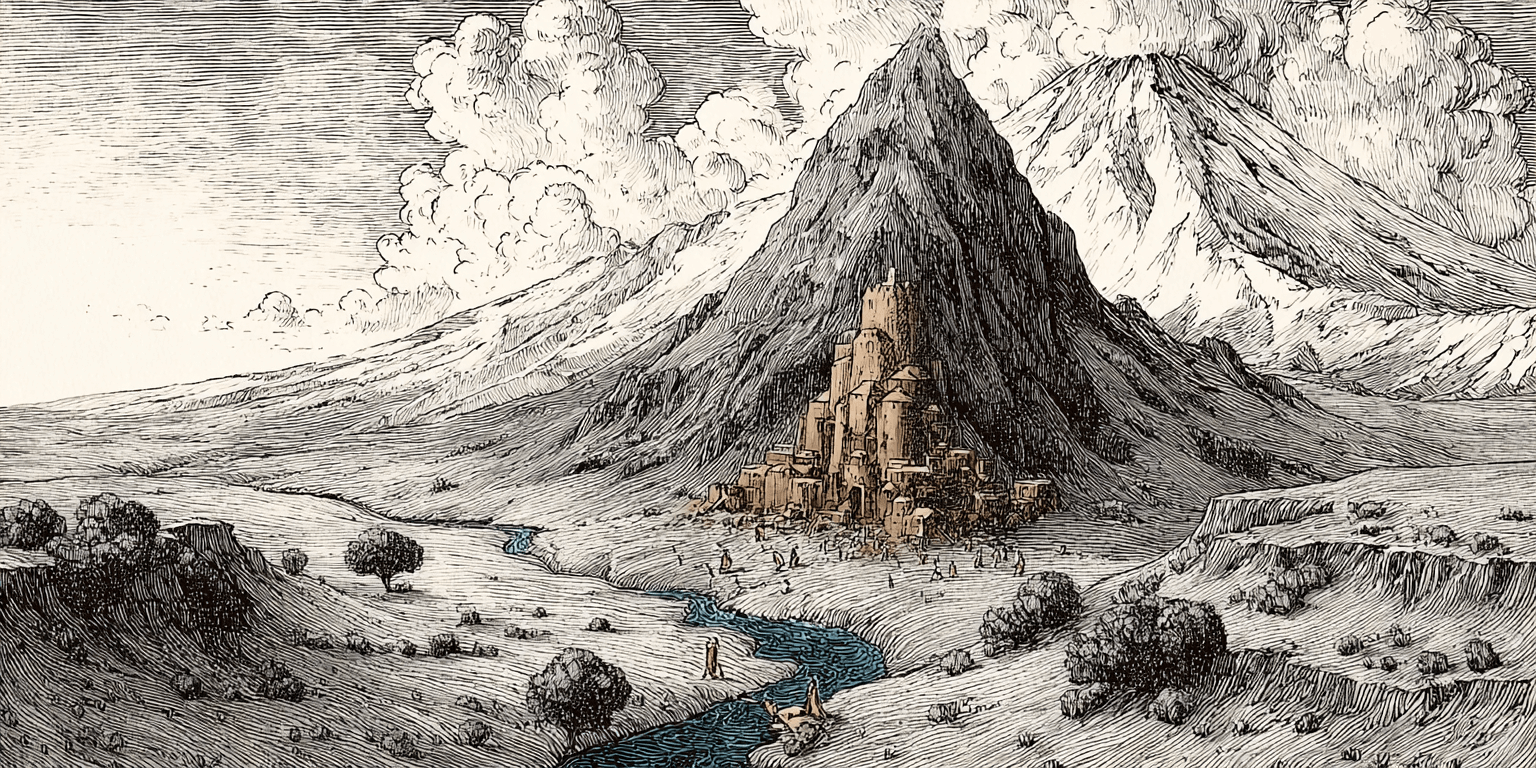
“I was in the region of the land of ʿĀd when I saw a city built of carved stones. In its centre was a palace of stone inhabited by jinn. I entered it and saw an elderly man of great stature praying towards the Kaʿbah. He was wearing a woollen cloak that was patched. I was not astonished by his imposing presence as much as I was by the patches on his cloak.
I greeted him, and he returned my greeting, then said: ‘O Sahl, this cloak has been with me for seven hundred years. I met ʿĪsā and Muḥammad ﷺ and believed in them while wearing it.’ I asked him, ‘Who are you?’ He replied: ‘I am among those about whom Allah revealed: “Say: It has been revealed to me that a group of the jinn listened and said, ‘Indeed, we have heard a wondrous Qurʾān that guides to the right path, and we have believed in it, and we shall never associate partners with our Lord.’” They were a group of jinn from Naṣībīn.’”
Ibn Jurayj (d. 150 AH / 767 CE) mentioned in his tafsīr, from Abū ʿUbaydah ibn ʿAbd Allāh ibn Masʿūd, who narrated from ʿAbd Allāh ibn Masʿūd (d. 32 AH / 652 CE), who said:
“The Prophet ﷺ went out to the jinn in order to recite the Qurʾān to them and call them to Allah. He said to his Companions: ‘Who will accompany me? Who among you does not have even a grain of pride in his heart and will stand with me?’ The people remained silent.
He repeated this a second time, and then a third, until ʿAbd Allāh ibn Masʿūd stood up. I went out with the Messenger of Allah ﷺ in the direction of al-Ḥujūn until we reached Abū Dhub. The Prophet ﷺ drew a line for me and said: ‘Do not cross this line.’
The jinn then descended upon him like locusts. He recited the Qurʾān to them in a loud voice, and they fell and pressed upon the ground until I could no longer see them. They said to him: ‘Who are you? Who are you?’ He replied: ‘A Prophet.’
They asked: ‘Who will bear witness for you?’ He said: ‘This tree will bear witness for me.’ He called the tree, and it came to him, dragging its branches and making a sound. It bore witness to his prophethood and then returned to its place.
They asked him for provisions, so he gave them bones and animal fodder. They found that the bones were more tender than meat, and that the fodder sufficed for their animals. Thereafter, the Messenger of Allah ﷺ forbade the use of bones and dung for cleaning after relieving oneself.
The Prophet ﷺ said to me: ‘Do not leave this line.’ I heard a loud and unpleasant mixture of sounds and desired to follow it, but I remembered the Prophet’s ﷺ command and did not cross the line. When he returned, I informed him of what I had heard, and he said: ‘Had you crossed the line, I would never have seen you again.’”
A group of scholars of tafsīr stated that the encounter with the jinn occurred twice: once in Makkah, and once in the Valley of al-Nakhlah. The narration of Ibn ʿAbbās refers to the encounter at al-Nakhlah, wherein the jinn passed by the Prophet ﷺ and listened to the Qurʾān. The narration of Ibn Masʿūd refers to the encounter in Makkah, in which the Prophet ﷺ went to the jinn, recited the Qurʾān to them, and called them to Islam.
This is the reconciliation between the two reports.
It was reported that ʿAbd Allāh ibn Masʿūd once saw a group of people from al-Zūṭ in Iraq and remarked:
“They resemble the jinn from the Night of the Jinn.”
In a narration from ʿAlqamah, he asked Ibn Masʿūd whether any of the Companions had been with the Prophet ﷺ on the Night of the Jinn. Ibn Masʿūd replied that none of them had witnessed it. He then mentioned a report narrated by Muslim in his Ṣaḥīḥ.
________
Reference
Abū al-Muẓaffar Manṣūr ibn Muḥammad al-Samʿānī (d. 489 AH / 1096 CE), Tafsīr al-Qurʾān, Dār al-Waṭan, Riyadh, 2014, vol. 6, p. 62; with supplementary material from Jalāl al-Dīn al-Suyūṭī (849–911 AH / 1445–1505 CE).

November 18, 2017
5 mins read

August 18, 2016
4 mins read


