
Videos
Women and Ḥijāb


Women and Ḥijāb
Wearing Hijab in the Summer | Shamsi Speakers Corner

Women and Ḥijāb
Mohammed Hijab and his Doubts | Shaykh Abu Hakeem Spubs
Women and Ḥijāb
Removing the Face Veil Due to Social Hardship
If wearing the niqāb causes serious hardship or abuse, it may be permissible to uncover the face while maintaining full Islamic dress. The woman should consider emigrating if possible. Removing the veil entirely is forbidden, and she should remain at home unless there is an absolute necessity.
Women and Ḥijāb
Advice for Sisters Cooking in Ramadan
Shaykh Ṣāliḥ al-Fawzān reassures Muslim sisters who spend much of Ramadan cooking that they are rewarded for preparing food for those who are fasting. He emphasises that cooking does not prevent them from remembering Allah ﷻ, reciting Qurʾān, or engaging in dhikr, and encourages balanced worship.
Women and Ḥijāb
Is a Woman Allowed to Work if She Does Not Need Money?
Shaykh Ibn Baz states that a woman may work even if she does not need money, as long as the work is permissible, honorable, free from mixing with men, and she observes proper hijab. She may earn for charity or to increase her wealth.

Women and Ḥijāb
Using Egg Yolk or Hair Products on Hair
Shaykh Ibn Baz states that it is permissible to use henna mixed with egg yolk or other natural ingredients for hair care, as long as it benefits the hair, such as strengthening, smoothing, or preventing hair loss. There is no harm in doing so.
Women and Ḥijāb
Protect and Care for Women
Shaykh Salih al-Fawzan explains that the Prophet ﷺ meant women should be safeguarded from oppression, neglect, and mistreatment. Their rights must be preserved, and they should be cared for responsibly, avoiding both abuse and abandonment, while maintaining balance, chastity, and family duties.
Women and Ḥijāb
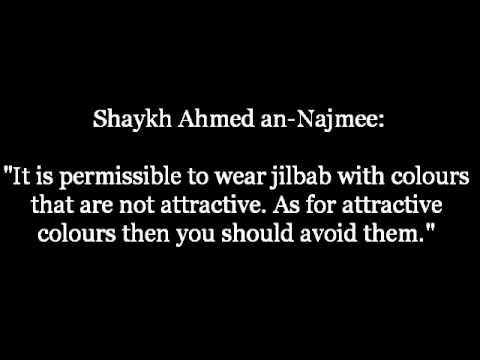
The Ruling on wearing Colourful Jilbab
Women and Ḥijāb
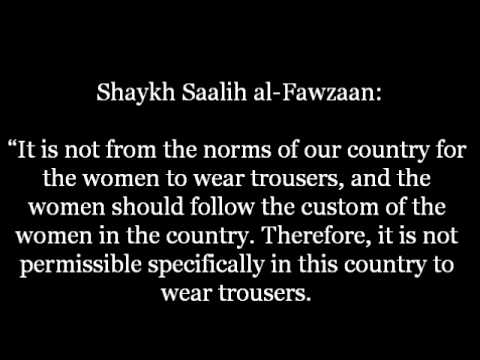
The Ruling of Women wearing Trousers

Women and Ḥijāb