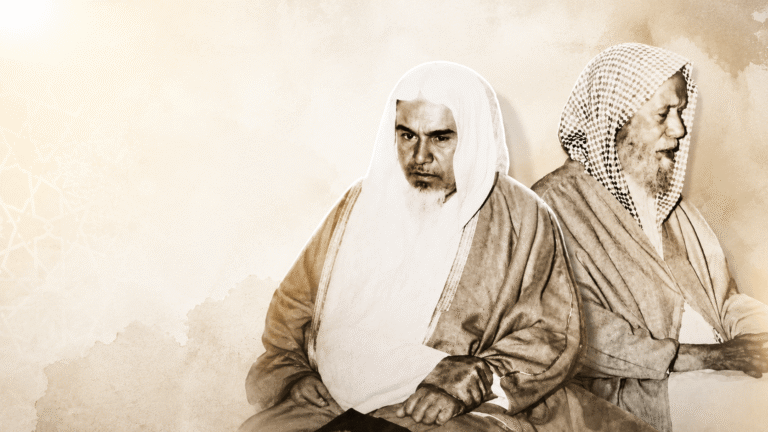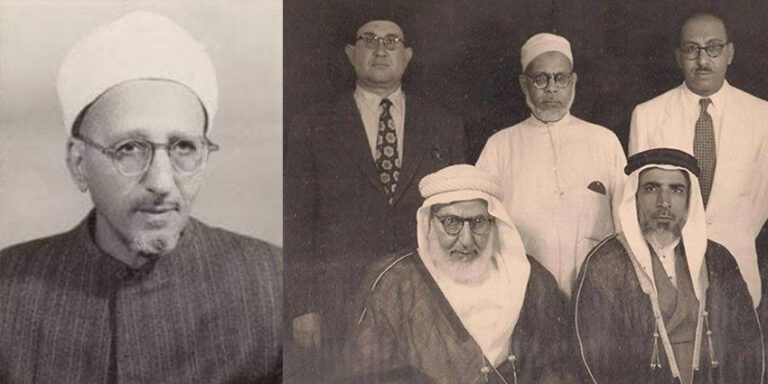

Shaykh Abū Muḥammad Zayd ibn Muḥammad ibn Hādī al-Madkhalī (d. 1435 AH/2014 CE) ؒ was a scholar of Islamic jurisprudence and the Salafī methodology. The following biography is based on the account written by his student Fawwāz ibn ʿAlī al-Madkhalī on 20 Shawwāl 1432 AH. Positions, book counts and works described as awaiting publication reflect that historical account.
His Name and Upbringing
He belonged to the al-Madākhilah tribe in Jāzān, southern Saudi Arabia, a branch of Banū Shabīl. The account traces Shabīl through Yashjub, Yaʿrub and Qaḥṭān.
He was born in 1357 AH/1938 CE in ar-Rukūbah, administratively part of Ṣāmiṭah, Jāzān, about three kilometres east of the town. He grew up in his village serving his parents. His mother, known for her piety, died when he was seven; his father died when he was thirty. His father took him to seek knowledge as a child, and his relative Aḥmad ibn Aḥmad ʿAllūsh al-Madkhalī encouraged him.
He joined the village’s learning circles and studied reading, writing, tawḥīd and tajwīd. He began reading and memorising the Qurʾān, learning Sūrat al-Baqarah, Sūrat Āl ʿImrān and other shorter chapters.
His Studies and Teaching
He began studying in ar-Rukūbah at about seven, later lived in ad-Daghārīr and then moved to Ṣāmiṭah. He joined its flourishing Salafī school, founded by ʿAbd Allah ibn Muḥammad al-Qarʿāwī (d. 1389 AH/1969 CE). The school met in the home of Nāṣir ibn Khalūfah Ṭayyāsh Mubārakī, who supported it with his knowledge and generosity towards students. There he studied Kitāb at-Tawḥīd, Bulūgh al-Marām, inheritance law, Qurʾānic recitation, grammar and morphology.
In 1368 AH he went to Bīsh and studied for about three months with Ḥāfiẓ ibn Aḥmad al-Ḥakamī (d. 1377 AH/1958 CE), alongside students from elsewhere. He returned to the Salafī school and was assigned to teach some students there and in a village study circle. In 1372 AH, at fifteen, he became a teacher at the al-Qarʿāwī school in ar-Rukūbah and then its director. He was assisted by Jābir ibn Muḥammad al-Madkhalī, identified in the biography as the director of Islamic awareness work during ḥajj.
When the al-Qarʿāwī schools merged with Ministry of Education schools and the scientific institute opened in Ṣāmiṭah in 1374 AH, he enrolled in the first secondary year in 1375 AH on the advice of al-Qarʿāwī and Ḥāfiẓ al-Ḥakamī. He graduated in 1379–1380 AH after studying several disciplines with the institute’s scholars.
He then attended the College of Sharīʿah in Riyadh, later part of Imam Muḥammad ibn Saʿūd Islamic University, for two years as a regular student. In his second year he completed his memorisation of the Qurʾān. Before graduating, he was assigned to teach at the scientific institute, whose director was then Muḥammad ibn Aḥmad al-Ḥakamī. The assignment came without his requesting it, as encouragement to students of knowledge. He completed his studies externally with a regular-study certificate in 1382 AH, according to Fawwāz’s account. Another contemporary biographical report gives 1383–1384 AH; the diploma has not been checked.
He taught at the institute for thirty-five years and retired on 1 Rajab 1417 AH. Those who knew him observed his detachment from worldly pleasures: he did not pursue or ask for them, but devoted himself to learning, teaching, issuing legal opinions and writing.
His Work
He served for many years as imām and khaṭīb of his mosque. Before it was established, he gave sermons in mosques across the district. He founded Ṣāmiṭah’s first charitable Salafī library in 1416 AH, with more than seven thousand titles available to students from many places.
With Aḥmad ibn Yaḥyā an-Najmī (d. 1429 AH/2008 CE), he established and supervised the al-Qarʿāwī scholarly summer programme in 1416 AH. Students from Saudi Arabia and abroad attended its courses in several Islamic disciplines. He chaired the board of Ṣāmiṭah’s cooperative office for daʿwah, guidance and community awareness, established in 1423 AH.
He participated in Islamic awareness work during ḥajj from 1398 to 1424 AH, twenty-seven annual seasons when counted inclusively. He also continued teaching at his mosque and giving legal opinions in the region.
His Teachers
The account names the following among his teachers:
- ʿAlī ibn Muḥammad Ḥājj Mahjarī al-Madkhalī
- Hādī ibn Hādī al-Madkhalī
- ʿAbd Allah ibn Muḥammad al-Qarʿāwī
- Ḥāfiẓ ibn Aḥmad al-Ḥakamī
- Muḥammad ibn Aḥmad al-Ḥakamī
- Jābir ibn Salmān al-Madkhalī
- ʿAlī ibn Yaḥyā al-Bahkalī
- Aḥmad ibn Yaḥyā an-Najmī
- Ḥasan ibn Muḥammad Shibīr an-Najmī
- Muḥammad ibn Muḥammad Jābir al-Madkhalī
- Nāṣir ibn Khalūfah Ṭayyāsh Mubārakī
- Muḥammad Amān ibn ʿAlī al-Jāmī
- ʿAbd al-ʿAzīz ibn ʿAbd Allah ibn Bāz
- ʿAbd ar-Raḥmān an-Najdī
- ʿAbd Allah ibn ʿAbd ar-Raḥmān al-Ghudayyān
- ʿAṭiyyah Muḥammad Sālim
His Students
By the time of the biography, he had devoted more than fifty years to teaching and had students from many cities and countries. Some became prominent callers to Allah , while others held senior positions in universities, educational institutions and government bodies, particularly those who studied with him at the scientific institute. They were too numerous to enumerate.
His students came chiefly from Saudi Arabia, Yemen, the United Arab Emirates, Bahrain, Kuwait, Qatar, Morocco, Algeria, Tunisia, Libya, Sudan, Egypt and Indonesia, as well as countries in Europe and America. Others followed his lessons online.
His Writings
He began writing before forty, producing his first book at thirty-seven. The historical account records more than sixty works and notes that he was still writing at that time. His principal subjects were explaining the Salafī creed through rational and textual evidence according to the methodology of the righteous predecessors, and refuting the polytheism, innovations and misguidance that oppose it; Islamic jurisprudence concerning worship, transactions, judicial matters, manners, conduct, encouragement and warning; and refutations of books, recordings, individuals and pamphlets using the Qurʾān and Sunnah as understood by the salaf, clarifying truth and defending it against innovation.
Works Listed as Published
- Al-Ḥayāh fī Ẓill al-ʿAqīdah al-Islāmiyyah: Life under the Islamic creed.
- Al-Manhaj al-Qawīm fī at-Taʾassī bi-r-Rasūl al-Karīm: The sound methodology of following the noble Messenger.
- Al-Afnān an-Nadiyyah Sharḥ Manẓūmat as-Subul as-Sawiyyah li-Fiqh as-Sunan al-Marwiyyah: Explanation of Ḥāfiẓ al-Ḥakamī’s poem on jurisprudence drawn from transmitted Sunnah; nine parts in the source list.
- Al-Ajwibah as-Sadīdah ʿalā al-Asʾilah ar-Rashīdah: Sound answers to judicious questions.
- Al-Juhd al-Mabdhūl fī Tanwīr al-ʿUqūl bi-Sharḥ Manẓūmat Wasīlat al-Ḥuṣūl ilā Muhimmāt al-Uṣūl: Explanation of the poem Wasīlat al-Ḥuṣūl; three parts.
- Wujūb Satr al-Wajh wa-l-Kaffayn wa-Shurūṭ Ḥijāb al-Marʾah al-Muslimah: The obligation to cover the face and hands, and conditions of the Muslim woman’s veil.
- Fiqh ad-Daʿwah ilā Allah wa-Nuʿūt ad-Dāʿiyah: Understanding daʿwah and the caller’s qualities.
- Al-ʿIqd al-Munaḍḍad al-Jadīd fī al-Ijābah ʿan Masāʾil fī al-Fiqh wa-l-Manāhij wa-t-Tawḥīd: Answers concerning jurisprudence, methodologies and monotheism. The source identifies Fawwāz ibn ʿAlī al-Madkhalī as editor of the first part and co-editor with ʿAlī ibn Zayd al-Madkhalī of the second and third.
- Asbāb an-Naṣr ash-Sharʿiyyah wa-Ṣifāt al-Mujāhidīn al-Marḍiyyah: Legislated causes of victory and praiseworthy qualities of Muslim fighters; the source also records the opening title ʿAwāmil an-Naṣr ash-Sharʿiyyah.
- Al-Fatāwā al-Muḍīʾāt fī Ḥukm ad-Dukhān wa-sh-Shammah wa-l-Qāt: Legal opinions concerning smoking, shammah and qāt.
- Nathr al-Wurūd ʿalā Ḥāʾiyyat Ibn Abī Dāwūd: Explanation of Ibn Abī Dāwūd’s poem rhyming in the letter ḥāʾ, rather than hāʾ.
- Al-Irhāb wa-Āthāruh as-Sayyiʾah ʿalā al-Afrād wa-l-Umam: Terrorism and its harmful effects on individuals and communities.
- Asbāb Istiqāmat ash-Shabāb wa-Bawāʿith Inḥirāfihim: Causes of young people’s steadfastness and motives for their deviation.
- Ṭarīq al-Wuṣūl ilā Īḍāḥ ath-Thalāthah al-Uṣūl: Explanation of Muḥammad ibn ʿAbd al-Wahhāb’s three principles.
- Abraz al-Fawāʾid min al-Arbaʿ al-Qawāʿid: Principal benefits from the four principles of Muḥammad ibn ʿAbd al-Wahhāb.
- Sullam al-Wuṣūl ilā Bayān as-Sittah al-Uṣūl: Explanation of the six principles of Muḥammad ibn ʿAbd al-Wahhāb.
- At-Taʿlīqāt al-Mubārakāt ʿalā Kashf ash-Shubuhāt: Commentary on Muḥammad ibn ʿAbd al-Wahhāb’s Kashf ash-Shubuhāt.
- Al-Ajwibah al-Mukhtaṣarah ʿalā al-Asʾilah al-ʿAsharah: Concise answers to ten questions.
- Ar-Radd an-Nāfiʿ al-Mufīd ʿalā Man Qāla Inna an-Nās al-Yawm Yaḥtājūna ilā Waḥy Jadīd: A beneficial response to the claim that people today need a new revelation.
- Al-ʿAmal al-Asnā Naẓm wa-Sharḥ Asmāʾ Allah al-Ḥusnā: A poem and explanation concerning Allah ’s beautiful names.
- Awḍaḥ al-Maʿānī Sharḥ Muqaddimat Risālat Ibn Abī Zayd al-Qayrawānī: Explanation of the introduction to Ibn Abī Zayd al-Qayrawānī’s Ar-Risālah.
- Ash-Shurūq ʿalā al-Furūq bayn al-Kufr wa-sh-Shirk wa-n-Nifāq wa-l-Fusūq: Clarification of distinctions between disbelief, polytheism, hypocrisy and disobedience.
- Majmūʿat Rasāʾil: A collection of his treatises; the source list specifies the second part.
- At-Taʿlīq al-Matīn ʿalā Kitāb Aṣl as-Sunnah wa-Iʿtiqād ad-Dīn li-l-Imāmayn ar-Rāziyyayn: Commentary on the creed of Abū Ḥātim ar-Rāzī and Abū Zurʿah ar-Rāzī, transmitted by Ibn Abī Ḥātim ar-Rāzī.
- Nuzhat al-Qārī fī Sharḥ Kitāb al-ʿIlm min Ṣaḥīḥ al-Bukhārī: Explanation of the Book of Knowledge in Ṣaḥīḥ al-Bukhārī.
- At-Taʿlīqāt al-Ḥisān ʿalā Uṣūl al-Īmān: Commentary on Muḥammad ibn ʿAbd al-Wahhāb’s foundations of faith.
- At-Taʿlīqāt al-Laṭīfah ʿalā Uṣūl as-Sunnah al-Munīfah: Commentary on the foundations of the Sunnah of Imām Aḥmad ibn Ḥanbal.
- Yawm al-Jumuʿah Sharafuh wa-Faḍluh wa-Makānatuh: Friday’s honour, virtues and status.
- At-Taʿlīq ʿalā Talbīs Iblīs: Commentary on Ibn al-Jawzī’s Talbīs Iblīs.
- Al-Ajwibah al-Athariyyah ʿan al-Asʾilah al-Manhajiyyah: Fifty questions and answers on methodology.
- Al-Fawāʾid al-Jaliyyah min Sharḥ Masāʾil al-Jāhiliyyah: Explanation of Muḥammad ibn ʿAbd al-Wahhāb’s issues of the pre-Islamic days of ignorance.
Works Listed as Awaiting Publication
- Majmūʿ Khuṭab al-Jumuʿah: A collection of Friday sermons.
- Sharḥ al-Wāsiṭiyyah: Explanation of Ibn Taymiyyah’s Al-ʿAqīdah al-Wāsiṭiyyah.
- Sharḥ Lāmiyyat Ibn Taymiyyah: Explanation of Ibn Taymiyyah’s poem rhyming in lām.
- Tafsīr al-Qurʾān al-ʿAẓīm: Explanation of the Qurʾān.
- Sharḥ al-Adab al-Mufrad: Explanation of al-Bukhārī’s Al-Adab al-Mufrad.
Those Who Praised Him
- Muḥammad ibn Aḥmad al-Ḥakamī
- Aḥmad ibn Yaḥyā an-Najmī
- Rabīʿ ibn Hādī ibn ʿUmayr al-Madkhalī: ḥadīth specialist and professor.
- Ṣāliḥ ibn Fawzān ibn ʿAbd Allah al-Fawzān: Member of the Council of Senior Scholars and the Permanent Committee for Fatwa in the source account.
- Muḥammad ibn ʿAbd Allah ibn Sabīl: Imām at the Sacred Mosque in Makkah and member of the Permanent Committee for Fatwa.
- ʿAbd al-Muḥsin ibn Ḥamd al-ʿAbbād al-Badr: Ḥadīth specialist.
- ʿAlī ibn Muḥammad ibn Nāṣir al-Faqīhī
- ʿUbayd ibn ʿAbd Allah al-Jābirī
- Ṣāliḥ ibn Saʿd as-Suḥaymī
- Ṣāliḥ ibn ʿAbd al-ʿAzīz Āl ash-Shaykh: Minister of Islamic Affairs in the source account.
- Sulaymān ibn ʿAbd Allah Abā al-Khayl: Director of Imam Muḥammad ibn Saʿūd Islamic University in the source account.
- Waṣī Allah ibn Muḥammad ʿAbbās
- ʿAbd Allah ibn Saʿd ibn Muḥammad as-Saʿd
- Ḥasan ibn ʿAlī Abū Ṭālib al-Qāḍī: Professor.
- ʿAlī ibn ʿAbd Allah al-Ahdal
- Muḥammad ibn Nāṣir ibn ʿAbd al-ʿAzīz Āl Saʿūd: Prince.
- Fayṣal ibn Muḥammad ibn Nāṣir ibn ʿAbd al-ʿAzīz Āl Saʿūd: Prince.
- ʿAbd al-ʿAzīz ibn Saṭṭām ibn ʿAbd al-ʿAzīz Āl Saʿūd: Prince.
The original biography closes with a prayer that Allah protect the shaykh from every harm and raise his rank.
His Death
Zayd al-Madkhalī died in Jāzān on 12 Jumādā al-Ūlā 1435 AH/13 March 2014 CE. His funeral prayer was held in Ṣāmiṭah the following afternoon. May Allah grant him abundant mercy.
References
ʿAbd Allah ʿAkūr. Contemporary funeral report, Al-Jazīrah, 16 March 2014, corroborating the 1435 AH/2014 CE death period and funeral.
ʿAṭiyyah Muḥammad Sālim. Name corroborated by the contemporary tribute published on 21 July 1999;
Al-Bukhārī, Muḥammad ibn Ismāʿīl (d. 256 AH/870 CE). Ṣaḥīḥ al-Bukhārī, Book of Knowledge; Al-Adab al-Mufrad.
Fawwāz ibn ʿAlī al-Madkhalī. Tarjamah Mukhtaṣarah li-Faḍīlat ash-Shaykh al-ʿAllāmah Zayd ibn Muḥammad al-Madkhalī, dated 20 Shawwāl 1432 AH, reproduced from Sahab on 26 January 2012.
Ḥāfiẓ ibn Aḥmad al-Ḥakamī. As-Subul as-Sawiyyah li-Fiqh as-Sunan al-Marwiyyah, explained in Al-Afnān an-Nadiyyah; the former Subul al-Wuṣūl
Ibn Abī Dāwūd, Abū Bakr ʿAbd Allah ibn Sulaymān. Al-Ḥāʾiyyah; Ibn Abī Zayd al-Qayrawānī, Ar-Risālah; Abū Ḥātim ar-Rāzī and Abū Zurʿah ar-Rāzī, Aṣl as-Sunnah wa-Iʿtiqād ad-Dīn, reported by Ibn Abī Ḥātim ar-Rāzī; Imām Aḥmad ibn Ḥanbal, Uṣūl as-Sunnah; Ibn al-Jawzī, Talbīs Iblīs; and Ibn Taymiyyah, Al-ʿAqīdah al-Wāsiṭiyyah and Al-Lāmiyyah.
Ibn Ḥajar al-ʿAsqalānī, Aḥmad ibn ʿAlī (d. 852 AH/1449 CE). Bulūgh al-Marām min Adillat al-Aḥkām, studied by Zayd al-Madkhalī
Al-Madkhalī, Zayd ibn Muḥammad ibn Hādī. Works cited in this biography: Al-Ḥayāh fī Ẓill al-ʿAqīdah al-Islāmiyyah; Al-Manhaj al-Qawīm fī at-Taʾassī bi-r-Rasūl al-Karīm; Al-Afnān an-Nadiyyah Sharḥ Manẓūmat as-Subul as-Sawiyyah li-Fiqh as-Sunan al-Marwiyyah; Al-Ajwibah as-Sadīdah ʿalā al-Asʾilah ar-Rashīdah; Al-Juhd al-Mabdhūl fī Tanwīr al-ʿUqūl bi-Sharḥ Manẓūmat Wasīlat al-Ḥuṣūl ilā Muhimmāt al-Uṣūl; Wujūb Satr al-Wajh wa-l-Kaffayn wa-Shurūṭ Ḥijāb al-Marʾah al-Muslimah; Fiqh ad-Daʿwah ilā Allah wa-Nuʿūt ad-Dāʿiyah; Al-ʿIqd al-Munaḍḍad al-Jadīd fī al-Ijābah ʿan Masāʾil fī al-Fiqh wa-l-Manāhij wa-t-Tawḥīd; Asbāb an-Naṣr ash-Sharʿiyyah wa-Ṣifāt al-Mujāhidīn al-Marḍiyyah; Al-Fatāwā al-Muḍīʾāt fī Ḥukm ad-Dukhān wa-sh-Shammah wa-l-Qāt; Nathr al-Wurūd ʿalā Ḥāʾiyyat Ibn Abī Dāwūd; Al-Irhāb wa-Āthāruh as-Sayyiʾah ʿalā al-Afrād wa-l-Umam; Asbāb Istiqāmat ash-Shabāb wa-Bawāʿith Inḥirāfihim; Ṭarīq al-Wuṣūl ilā Īḍāḥ ath-Thalāthah al-Uṣūl; Abraz al-Fawāʾid min al-Arbaʿ al-Qawāʿid; Sullam al-Wuṣūl ilā Bayān as-Sittah al-Uṣūl; At-Taʿlīqāt al-Mubārakāt ʿalā Kashf ash-Shubuhāt; Al-Ajwibah al-Mukhtaṣarah ʿalā al-Asʾilah al-ʿAsharah; Ar-Radd an-Nāfiʿ al-Mufīd ʿalā Man Qāla Inna an-Nās al-Yawm Yaḥtājūna ilā Waḥy Jadīd; Al-ʿAmal al-Asnā Naẓm wa-Sharḥ Asmāʾ Allah al-Ḥusnā; Awḍaḥ al-Maʿānī Sharḥ Muqaddimat Risālat Ibn Abī Zayd al-Qayrawānī; Ash-Shurūq ʿalā al-Furūq bayn al-Kufr wa-sh-Shirk wa-n-Nifāq wa-l-Fusūq; Majmūʿat Rasāʾil; At-Taʿlīq al-Matīn ʿalā Kitāb Aṣl as-Sunnah wa-Iʿtiqād ad-Dīn li-l-Imāmayn ar-Rāziyyayn; Nuzhat al-Qārī fī Sharḥ Kitāb al-ʿIlm min Ṣaḥīḥ al-Bukhārī; At-Taʿlīqāt al-Ḥisān ʿalā Uṣūl al-Īmān; At-Taʿlīqāt al-Laṭīfah ʿalā Uṣūl as-Sunnah al-Munīfah; Yawm al-Jumuʿah Sharafuh wa-Faḍluh wa-Makānatuh; At-Taʿlīq ʿalā Talbīs Iblīs; Al-Ajwibah al-Athariyyah ʿan al-Asʾilah al-Manhajiyyah; Al-Fawāʾid al-Jaliyyah min Sharḥ Masāʾil al-Jāhiliyyah; Majmūʿ Khuṭab al-Jumuʿah; Sharḥ al-Wāsiṭiyyah; Sharḥ Lāmiyyat Ibn Taymiyyah; Tafsīr al-Qurʾān al-ʿAẓīm; Sharḥ al-Adab al-Mufrad.
Muḥammad ibn ʿAbd al-Wahhāb (d. 1206 AH/1792 CE). Kitāb at-Tawḥīd alladhī Huwa Ḥaqq Allah ʿalā al-ʿAbīd; Al-Uṣūl ath-Thalāthah; Al-Qawāʿid al-Arbaʿ; Al-Uṣūl as-Sittah; Kashf ash-Shubuhāt; Uṣūl al-Īmān; and Masāʾil al-Jāhiliyyah.