Videos

Jurisprudence

299 videos · page 19 of 25

Filters

Prayer

No Forgiveness for One Who Abandons Prayer

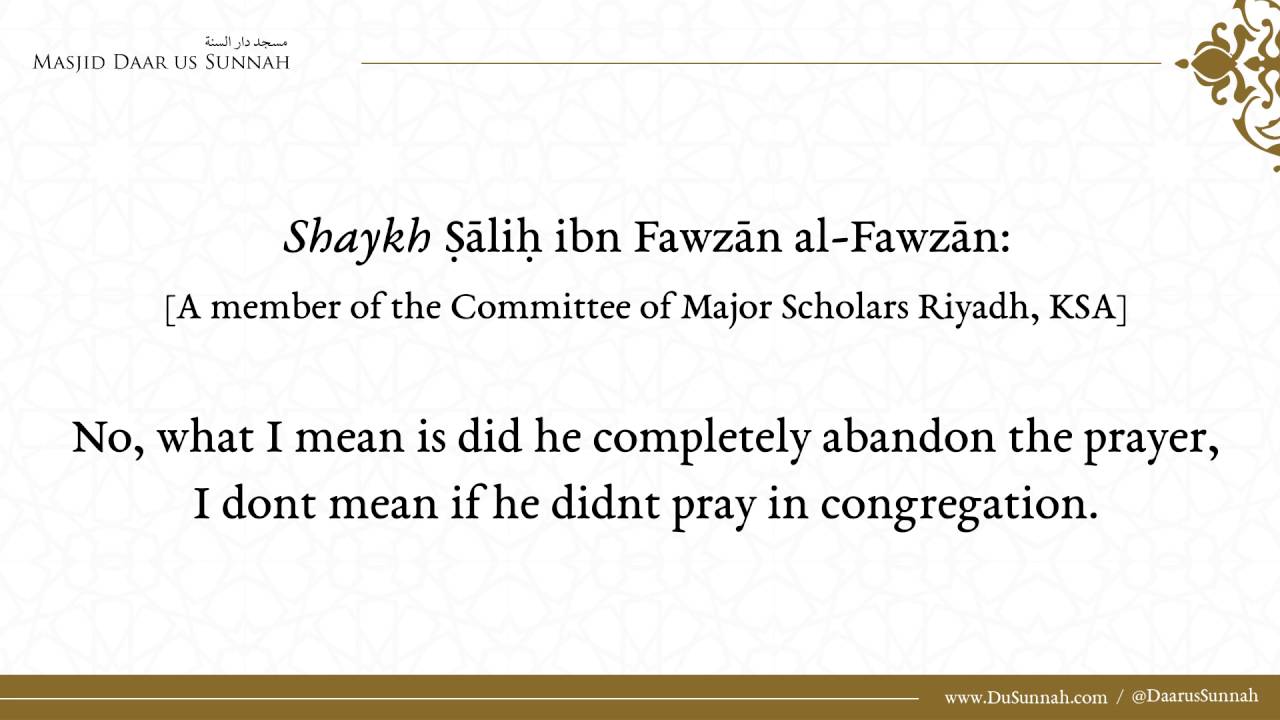
Shaykh Ṣāliḥ ibn Fawzān al-Fawzān explains that if a person dies abandoning the prayer intentionally, good deeds performed on their behalf, including charity and fasting, will not benefit them. Forgiveness should not be sought for such a person if they died in that state.

Ṣalaḥ al-Irānī October 19, 2016

Prayer

Placing Hands After Ruku’

Shaykh Muhammad ibn Hadi al-Madkhali explains that placing the right hand over the left on the chest after rising from ruku’ has the same ruling as before ruku’. The Prophet ﷺ instructed that the hands be placed on the chest while standing, and standing includes both before and after ruku’.

'Abd ur-Raḥmān al-Sumālī September 7, 2016

Prayer

Raising the Voice in Dhikr After Prayer

Shaykh Salih al-Fawzan confirms that raising the voice in dhikr after prayer is a Sunnah. It was practiced by the Prophet ﷺ, his companions, and early generations. Ibn ʿAbbās noted that they could tell the prayer had ended by hearing the dhikr.

'Abd ur-Raḥmān al-Sumālī September 7, 2016

Wuḍūʾ and Purification

Reading Quran on Phone Without Wudu

Shaykh Abd al-Aziz Aal-Shaykh states that reading the Quran from a phone is permissible even without wudu. Since the phone is not an actual mus’haf, the usual rules for handling the physical Quran do not apply, so there is no issue.

Ṣalaḥ al-Irānī September 7, 2016

Wuḍūʾ and Purification

Is Friday Ghusl Only for Men?

Shaykh Salih al-Fawzan explains that Friday ghusl is for those attending the Friday prayer, both men and women. It is meant to remove odours and clean oneself. Performing it is a recommended Sunnah for those who join the congregation.

Ṣalaḥ al-Irānī September 7, 2016

Prayer

How to Perform Salat al-Istikhara

Shaykh Muḥammad Nasir al-Dīn al-Albānī explains that istikhāra is for someone who has already made a decision, not for removing confusion. He clarifies that the duʿā is recited after the taslīm, and repeating the prayer is only permitted if the initial prayer lacked proper attention.

Ṣalaḥ al-Irānī September 7, 2016

Ramaḍān and Fasting

Do I Pray Maghrib or Break Fast First?

Shaykh Salih al-Fawzan explains that the correct practice follows the Prophet’s ﷺ example: after sunset, he would break his fast with dates or water and then proceed to pray Maghrib. Therefore, one should break the fast first, then perform the prayer.

Ṣalaḥ al-Irānī September 7, 2016

Ramaḍān and Fasting

What If Fajr Athan Is Called During Intercourse?

Shaykh Muḥammad ibn Hādī al-Madkhali explains that if the ʾadhān of Fajr is called while a person is having intercourse during Ramadan, it is obligatory to stop immediately. There is no blame upon the person for doing so, and the fast remains valid.

Ṣalaḥ al-Irānī September 7, 2016

Ramaḍān and Fasting

What to Say When Invited to Eat in Ramadan

Shaykh Muḥammad ibn Hādī al-Madkhali advises that if a Muslim is invited to eat during the day in Ramadan, they should clearly explain that fasting is obligatory and eating is prohibited. They should state this politely, as if they are in a non-Muslim environment.

Ṣalaḥ al-Irānī September 7, 2016

Ramaḍān and Fasting

How the Salaf Spent Ramadan

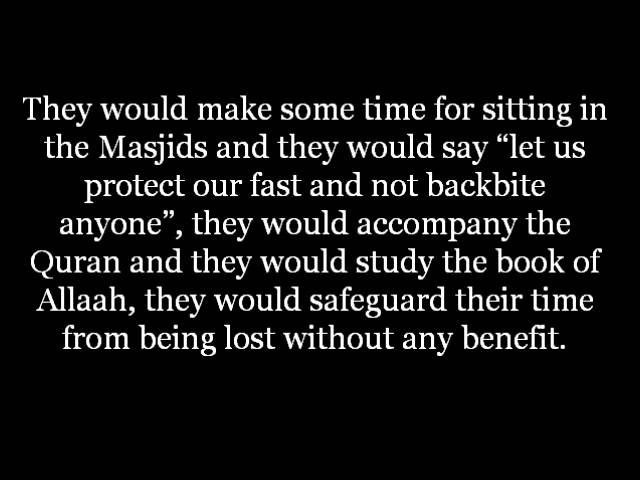
Shaykh Salih al-Fawzan describes the Ramadan practices of the Salaf, who dedicated themselves to worship and reduced worldly affairs. They spent time in the masājid, guarded their fast, avoided backbiting, recited the Qurʾān, and engaged in night prayer and good deeds throughout the day.

Ṣalaḥ al-Irānī September 7, 2016

Ramaḍān and Fasting

The Ramadan-Only Muslims Are Lost

Shaykh ʿAbd al-ʿAzīz ibn Bāz explains that the saying “those who only know Allah ﷻ in Ramadan will not be successful” is attributed to the Salaf and refers to those who abandon obligatory worship after Ramadan. He clarifies that neglecting voluntary acts outside Ramadan is not sinful.

Ṣalaḥ al-Irānī September 7, 2016

Prayer

How Long Should a Traveller Shorten Prayers?

Shaykh Salih al-Luhaydan explains that a traveller should shorten prayers only if staying less than four days. If the intention is to remain for more than four days, the traveller should perform the full prayers and not shorten them.

Ṣalaḥ al-Irānī September 7, 2016