
Ramaḍān and Fasting
Videos
Ramaḍān and Fasting
Ramaḍān and Fasting
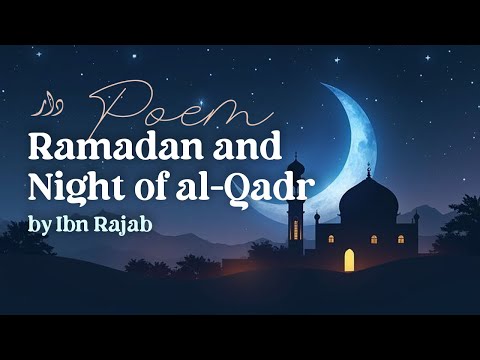
Poem on Ramadan and Laylat al-Qadr
These poetic lines by Ibn Rajab reflect on the passing of time and the importance of Ramadan and Laylat al-Qadr. The poem reminds believers of the profound rewards of the night, the descent of angels, and the mercy and forgiveness granted to those who seek it.

Ramaḍān and Fasting
Shamsi at St Albans Community Iftar | Reminder Benefits the Believers
Ramaḍān and Fasting
Ramadan Reminder at Masjid DaaruSunnah | Shamsi Explaining 4th Pillar of Islam
Ramaḍān and Fasting
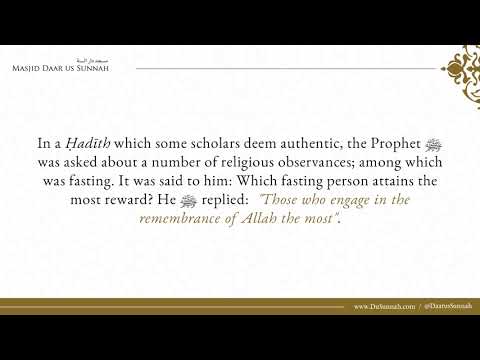
Who Gets the Most Reward for Fasting?
The fasting person who remembers Allah ﷻ the most earns the greatest reward. The Prophet ﷺ said that the highest reward for fasting goes to those who constantly engage in dhikr. Ibn al-Qayyim explains this applies to all acts of worship: more remembrance means more reward.
Ramaḍān and Fasting
Do I Pray Maghrib or Break Fast First?
Shaykh Salih al-Fawzan explains that the correct practice follows the Prophet’s ﷺ example: after sunset, he would break his fast with dates or water and then proceed to pray Maghrib. Therefore, one should break the fast first, then perform the prayer.
Ramaḍān and Fasting
What If Fajr Athan Is Called During Intercourse?
Shaykh Muḥammad ibn Hādī al-Madkhali explains that if the ʾadhān of Fajr is called while a person is having intercourse during Ramadan, it is obligatory to stop immediately. There is no blame upon the person for doing so, and the fast remains valid.
Ramaḍān and Fasting
What to Say When Invited to Eat in Ramadan
Shaykh Muḥammad ibn Hādī al-Madkhali advises that if a Muslim is invited to eat during the day in Ramadan, they should clearly explain that fasting is obligatory and eating is prohibited. They should state this politely, as if they are in a non-Muslim environment.
Ramaḍān and Fasting
How the Salaf Spent Ramadan
Shaykh Salih al-Fawzan describes the Ramadan practices of the Salaf, who dedicated themselves to worship and reduced worldly affairs. They spent time in the masājid, guarded their fast, avoided backbiting, recited the Qurʾān, and engaged in night prayer and good deeds throughout the day.
Ramaḍān and Fasting
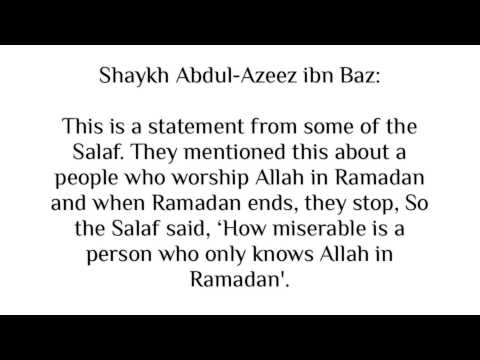
The Ramadan-Only Muslims Are Lost
Shaykh ʿAbd al-ʿAzīz ibn Bāz explains that the saying “those who only know Allah ﷻ in Ramadan will not be successful” is attributed to the Salaf and refers to those who abandon obligatory worship after Ramadan. He clarifies that neglecting voluntary acts outside Ramadan is not sinful.
Ramaḍān and Fasting
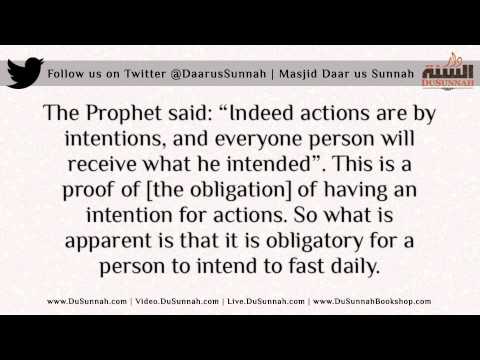
Is One Intention Enough for Ramadan Fasting?
Shaykh Muqbil ibn Hādī al-Wādiʿī explains that intentions for fasting are required daily, based on the Prophet’s ﷺ teaching that actions are judged by intentions. He clarifies that intention is internal, not verbal, and that waking for suḥūr and abstaining from food and drink suffice.
Ramaḍān and Fasting
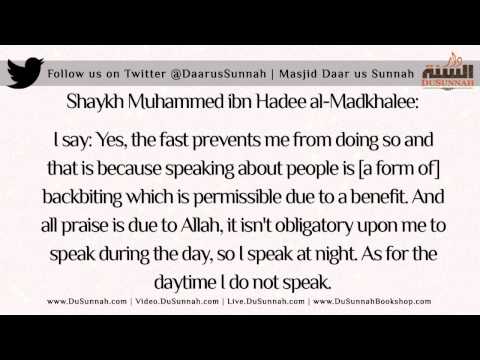
Does Fasting Prevent al-Jarh wa al-Tadʿīl?
A person asks whether fasting stops one from discussing narrators under al-jarh wa al-tadʿīl. Shaykh Muhammad ibn Hadi al-Madkhali answers that fasting does prevent it, as speaking about people may resemble backbiting. Therefore he avoids doing it during the day and prefers to speak at night.