Videos

Prayer

99 videos · page 7 of 9

Filters

Prayer

Placing Hands After Ruku’

Shaykh Muhammad ibn Hadi al-Madkhali explains that placing the right hand over the left on the chest after rising from ruku’ has the same ruling as before ruku’. The Prophet ﷺ instructed that the hands be placed on the chest while standing, and standing includes both before and after ruku’.

'Abd ur-Raḥmān al-Sumālī September 7, 2016

Prayer

Raising the Voice in Dhikr After Prayer

Shaykh Salih al-Fawzan confirms that raising the voice in dhikr after prayer is a Sunnah. It was practiced by the Prophet ﷺ, his companions, and early generations. Ibn ʿAbbās noted that they could tell the prayer had ended by hearing the dhikr.

'Abd ur-Raḥmān al-Sumālī September 7, 2016

Prayer

How to Perform Salat al-Istikhara

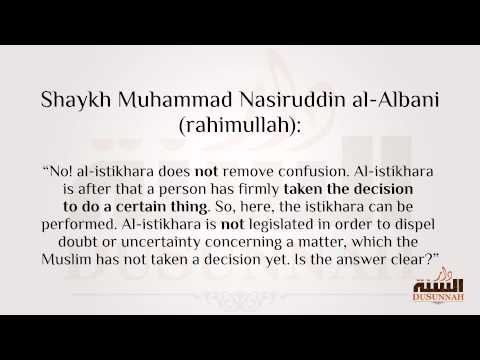
Shaykh Muḥammad Nasir al-Dīn al-Albānī explains that istikhāra is for someone who has already made a decision, not for removing confusion. He clarifies that the duʿā is recited after the taslīm, and repeating the prayer is only permitted if the initial prayer lacked proper attention.

Ṣalaḥ al-Irānī September 7, 2016

Prayer

How Long Should a Traveller Shorten Prayers?

Shaykh Salih al-Luhaydan explains that a traveller should shorten prayers only if staying less than four days. If the intention is to remain for more than four days, the traveller should perform the full prayers and not shorten them.

Ṣalaḥ al-Irānī September 7, 2016

Prayer

Attending a Funeral to Pray Against the Deceased

A student recounts a story of ʿUbayd ash-Shounizī attending the funeral of a Jaḥmite scholar. He explains that he attended not to honor him, but to pray against him, asking Allah ﷻ to punish him for his denial of key Islamic beliefs.

'Abd ur-Raḥmān al-Sumālī September 7, 2016

Prayer

Should Tarāwīḥ be 8 or 20 Rakaʿāt?

Shaykh Muqbil ibn Hādī al-Wādiʿī explains the correct practice of Tarāwīḥ, advising that the prayer should be delayed to the last part of the night and performed in 11 or 13 rakaʿāt. He recommends following the Sunnah rather than praying 20 rakaʿāt, and encourages praying at home if possible.

Ṣalaḥ al-Irānī September 6, 2016

Prayer

Dividing Tarāwīḥ into Two Parts

Shaykh Muḥammad Nāṣir al-Dīn al-Albānī explains that dividing Tarāwīḥ prayer into two sessions during the last ten nights of Ramaḍān is an innovation. He advises performing Tarāwīḥ early after ʿIshāʾ, following the practice of ʿUmar ibn al-Khaṭṭāb, and avoiding the newly established division.

Ṣalaḥ al-Irānī September 6, 2016

Prayer

Praying Tarāwīḥ at Home with Family

Shaykh Muqbil ibn Hādī al-Wādiʿī confirms that it is permissible for a man to pray Tarāwīḥ at home with his family. He emphasises that performing these prayers in the home is acceptable and carries no harm.

Ṣalaḥ al-Irānī September 6, 2016

Prayer

Greeting Someone During the Prayer

A concise answer from Shaykh Ṣāliḥ al-Fawzān explaining the ruling on greeting a person while he is praying. He clarifies that there is no issue with greeting such a person, and that the one praying should respond by making a hand gesture.

Ṣalaḥ al-Irānī September 6, 2016

Prayer

The Ruling of the Two Athans on Friday

Shaykh Salih al-Fawzan explains that the first Friday athan is legislated and was practiced by the Rightly Guided Caliphs. It was introduced by Caliph ʿUthmān, and though Ibn ʿUmar called it an innovation, scholars clarify it as a good linguistic innovation, not a religious one.

Ṣalaḥ al-Irānī September 6, 2016

Prayer

Whoever Says This Seven Times Will Be Forgiven – Shaykh Abd al-Aziz ibn Baz

Shaykh Ibn Baz explains that saying the repentance phrase seven times brings great forgiveness, especially when the person truly repents. True repentance includes abandoning the sin, feeling remorse, and resolving not to return. Rights of others must also be restored.

ʿAbd ur-Raḥmān Hugh September 1, 2016