Daar us Sunnah
Next prayer Dhuhr 11:50
Masjid Timetable
Donate

Videos

Social Affairs and Etiquettes

152 videos · page 12 of 13

Filters

Daily Life and Social Conduct

Working as a Taxi Driver in Non-Muslim Countries

Shaykh Zayd al-Madkhalī explains the ruling on working as a taxi driver in a non-Muslim land. He states that while migration to a Muslim country is obligatory if possible, earning a lawful living through taxi driving is permissible when migration is not feasible, provided the driver avoids transporting passengers to places of disobedience.

Ṣalaḥ al-Irānī September 6, 2016

Daily Life and Social Conduct

The Ruling on the Nike Brand

Shaykh Aḥmed al-Najmī addresses the permissibility of buying clothing branded with the name of a former Greek deity, such as Nike. He explains that Muslims should avoid such brands, reject them, and warn others against importing or supporting them.

Ṣalaḥ al-Irānī September 6, 2016

Character and Manners

Imitating Disbelievers Through April Fools Day

Shaykh Muḥammad ibn Ṣāliḥ al-ʿUthaymīn warns against participating in April Fools Day, describing it as a lie rooted in non-Islamic traditions and a form of imitation of disbelievers. He explains why it is prohibited and highlights the humiliation and harm it can cause to Muslims.

'Abd ur-Raḥmān al-Sumālī September 6, 2016

Daily Life and Social Conduct

The Ruling on Hunger Strikes

Shaykh Muḥammad Nāṣir al-Dīn al-Albānī explains that hunger strikes as a form of protest, especially outside government palaces, are not permissible for Muslims. He clarifies that this method belongs to non-Muslims and should not be used to express dissatisfaction or demand benefits from rulers.

Ṣalaḥ al-Irānī September 6, 2016

Character and Manners

Adding “Wa Maghfiratuh” to the Islamic Greeting

A detailed clarification from Shaykh Muḥammad Nāṣir al-Dīn al-Albānī on the ruling of adding “wa maghfiratuh” to the Islamic greeting. He explains that it is not legislated when initiating the greeting but is authentic and permissible when returning the greeting, in accordance with the Qurʾān and Sunnah.

Ṣalaḥ al-Irānī September 6, 2016

Daily Life and Social Conduct

Visiting the Pyramids in Egypt

A brief clarification from Shaykh Ṣāliḥ ibn Muḥammad al-Luḥaydān regarding visiting the pyramids in Egypt. He explains that there is no specific command or prohibition, while advising that reflecting upon past nations is acceptable, though visiting mosques and Islamic sites is more virtuous.

Ṣalaḥ al-Irānī September 6, 2016

Character and Manners

Beware of Lying and April Fools Day

A clear warning from Shaykh Muḥammad ibn Hādī al-Madkhalī against lying and participating in April Fools Day. The reminder explains why lying is a major sin, how it harms others, and why imitating non-Muslim practices in this matter is forbidden in Islām.

'Abd ur-Raḥmān al-Sumālī September 6, 2016

Character and Manners

The Cure for Envy

Shaykh Salih al-Fawzan explains that the cure for envy is to sincerely pray for your brother’s blessings and to work hard for your own provision. Envy harms faith and can destroy good deeds, so one must seek refuge in Allah ﷻ and avoid resentment.

Ṣalaḥ al-Irānī September 6, 2016

Media and Society

Beware of Skype and Kik – Your Chats Are Not Truly Private

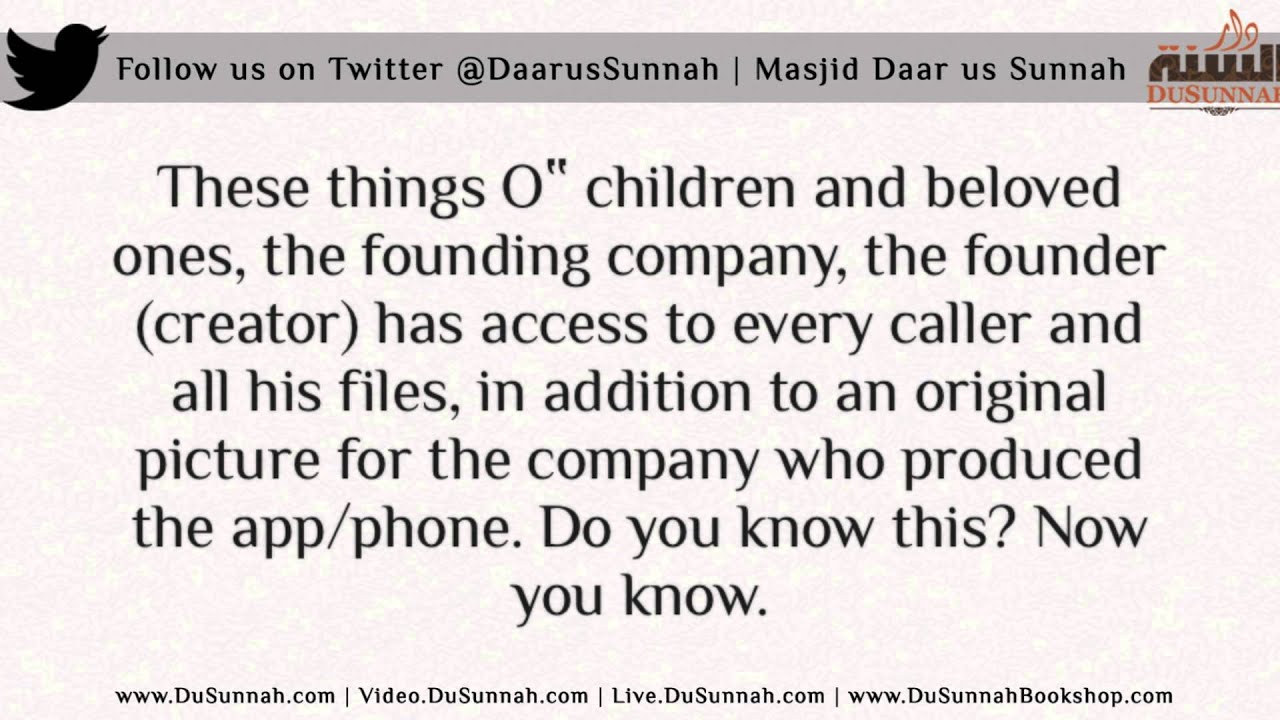
Shaykh Muhammad ibn Hadi al-Madkhali warns that chat programs like Skype and Kik save conversations and can be accessed by the service provider. Even if pictures aren’t saved locally, the company may store files and recordings. Avoid using them for private matters.

Ṣalaḥ al-Irānī August 31, 2016

Character and Manners

The Great Reward of Forgiving an Oppressor – Shaykh Ibn Baz

Shaykh Ibn Baz explains that forgiving those who have harmed you is a noble act and brings great reward from Allah ﷻ. If someone has wronged you through insults, backbiting, or any harm, forgiving them without asking for anything in return is closer to righteousness. The Prophet ﷺ said that forgiveness increases a person’s honor. It is also recommended to inform them of your forgiveness, but even if you don’t, your reward is still with Allah ﷻ.

Ṣalaḥ al-Irānī August 24, 2016